 How-to
Can You Stop Wage Garnishment for Medical Bills?
Last Updated: October 26, 2026
Quick Summary
You can stop wage garnishment for medical bills by filing an exemption or hardship claim with the court before the response deadline on your notice. No creditor can garnish your paycheck without a court judgment first, and each stage of the process gives you a chance to act.
- A medical provider or collector must sue you, win a court judgment, and get a court order before any wage garnishment begins.
- After receiving a garnishment notice, log the court name, case number, and every deadline, then call the court clerk.
- Ask your payroll department in writing for the order's receipt date, first affected pay period, and exact per-paycheck deduction.
- You do not need a lawyer to file an exemption or hardship claim; court self-help centers and legal aid can help.
- Build a one-page monthly budget with proof for housing, utilities, food, transportation, medical, and childcare costs.
Table of Contents
- How Medical Bills Turn Into a Wage Garnishment
- What to Do Immediately After Receiving a Garnishment Notice
- Filing a Wage Garnishment Exemption or Hardship Claim
- How to Challenge a Default Judgment That Led to Garnishment
- Sending a Letter to Stop Wage Garnishment
- Medical Debt Settlement as an Alternative to Garnishment
- Verifying the Debt and Comparing Your Options by Stage
- Getting Help Before Your Next Paycheck Is Garnished
- Frequently Asked Questions
How Medical Bills Turn Into a Wage Garnishment
A wage garnishment for medical bills happens only after a medical provider or debt collector sues you, wins a court judgment, and asks the court to take part of your paycheck.
Here is the short version. An unpaid hospital or clinic bill gets sold or assigned to a collector. The collector files a lawsuit. If you do not respond, a default judgment lands against you. Then the creditor asks the court to garnish your wages. Each stage gives you a chance to act.
The Court Judgment Requirement Before Any Garnishment
No creditor can garnish your paycheck for a medical bill without a court judgment first. That is the core federal floor under the Consumer Credit Protection Act, which also caps how much of your pay can be taken. A hospital billing department cannot simply call your employer and start deducting money. It needs a judge's order.
What to Do Immediately After Receiving a Garnishment Notice
Gather relevant evidence:
- Log the notice. Write down the court name, case number, issuing judge, date of service, and every deadline printed on the form. Photograph the envelope and keep the postmark.
- Call the court clerk. Ask two questions: what is the deadline to file an exemption or objection, and does the court have a self-help form for a wage garnishment claim of exemption. Write down the clerk's name and the date you called.
- Confirm whether your employer has been served. The garnishment order usually goes to your payroll department at the same time it goes to you. Ask HR whether a withholding order has arrived and on which pay period it will begin.
What Happens After Your Employer Receives the Order
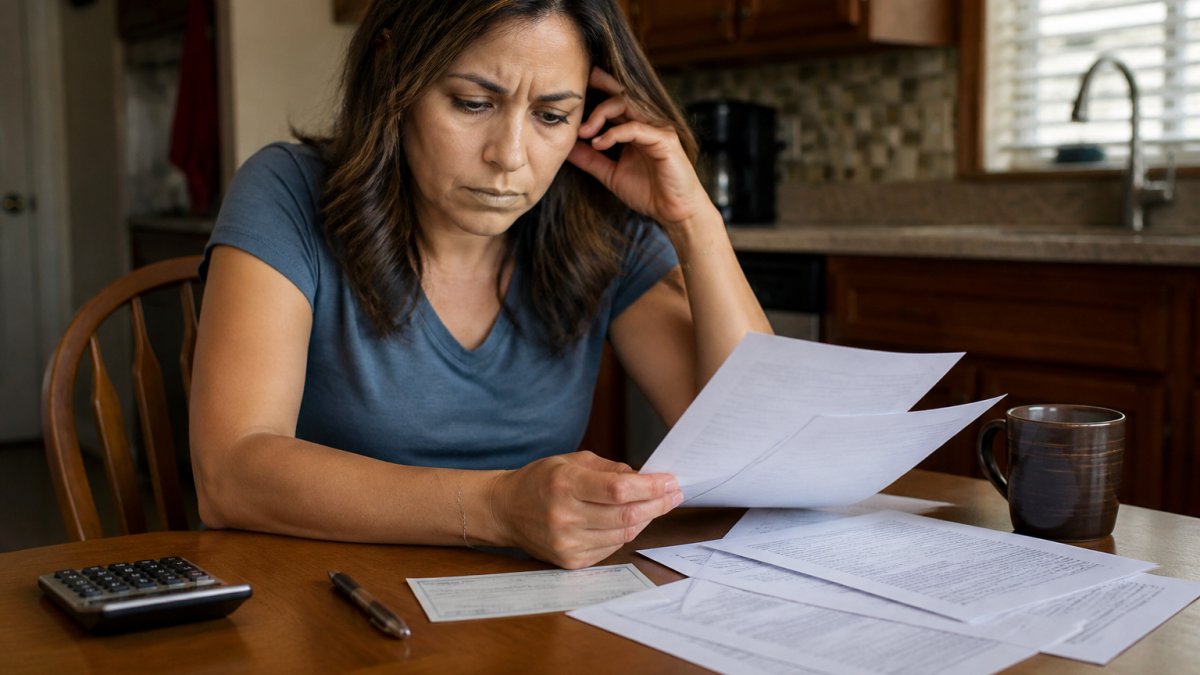
Ask your payroll department three things in writing: the date the order was received, the first pay period affected, and the exact per-paycheck deduction. Compare that deduction to the federal cap and your state's cap. If the employer is withholding more than the law allows, that is grounds for an immediate objection. Correcting these administrative errors serves as a vital first step toward financial rehabilitation, just as taking proactive measures to remove medical collections can help restore your long-term credit standing.
The Response Deadline Is the Whole Ballgame
If you are unsure what to file next, our guides on debt collection lawsuits and wage garnishment walk through each step in plain language.
Filing a Wage Garnishment Exemption or Hardship Claim
You do not need a lawyer to file one (Filing Without an Attorney). Court self-help centers and legal aid organizations routinely help people complete these forms, and many courts publish fill-in-the-blank versions online. What you do need is documentation and a deadline. File before the response date on your notice, keep a stamped copy, and mail a copy to the creditor's attorney listed on the garnishment paperwork.
What the Judge Actually Looks At
Build a one-page monthly budget that shows income on one side and necessary expenses on the other. Then attach proof for every number:
- Housing: lease or mortgage statement, plus the most recent payment receipt
- Utilities: recent electric, gas, water, and phone bills
- Food: two or three recent grocery receipts or a bank statement showing grocery spending
- Transportation: car payment, insurance, and fuel receipts, or transit passes
- Medical: current prescriptions, insurance premiums, and any ongoing treatment bills
- Childcare: daycare or after-school invoices
State Rules and Official Resources
Garnishment caps and exemption procedures are set by state law, and they vary widely. Some states protect a larger share of wages than the federal 25% cap; a few protect substantially more for heads of household. The court clerk who issued your order can tell you which state rules apply, and the state court system's self-help website usually publishes the exemption form and instructions. Legal aid offices in your area can review your claim before you file, often at no cost. Start with the court that issued the order, then confirm the state-specific cap before you calculate what you can afford to have withheld.
If the Claim Is Denied
Our guide on how to vacate a default judgment for debt explains what to do if the underlying judgment itself is the problem.
How to Challenge a Default Judgment That Led to Garnishment
Our guide on how to vacate a default judgment for debt explains the motion and what to attach.
Sending a Letter to Stop Wage Garnishment
Include the case number, your name, the amount you dispute, and a clear request. If you are ready to write one, our letter to stop wage garnishment guide includes a template you can adapt.
Medical Debt Settlement as an Alternative to Garnishment
Our step-by-step settlement guide covers how to negotiate after a judgment.
Verifying the Debt and Comparing Your Options by Stage
| Stage | Best First Move | Why It Helps |
|---|---|---|
| Bill unpaid, no lawsuit | Request financial assistance or a payment plan | Stops the case before court |
| Lawsuit filed, no judgment | File a written answer by the deadline | Prevents a default judgment |
| Default judgment entered | File a motion to vacate | Can reopen the case |
| Garnishment order issued | File an exemption or hardship claim | May reduce or stop the taking |
| Judgment final, garnishment active | Negotiate a settlement | Ends collection with a payoff |
Getting Help Before Your Next Paycheck Is Garnished
WageHelpCenter exists for exactly this moment. We publish educational guides on debt collection lawsuits, wage garnishment rules, settlements, and default judgments so you can see your options clearly. We also help you locate an affordable attorney when a case needs one. Start with our guides, confirm your deadlines, and act before the next payday.
Frequently Asked Questions
How much of my paycheck can be garnished for medical bills?
Federal law caps wage garnishment at 25% of disposable earnings or the amount by which weekly disposable earnings exceed 30 times the federal minimum wage, whichever is less. Some states set lower caps or prohibit garnishment for certain debts. Because medical bills are unsecured debt, the creditor must first win a court judgment. Check your state's specific limit and contact a legal aid office if you believe the amount is wrong.
Can I claim an exemption to stop wage garnishment for medical debt?
Yes, in many states you can file a wage garnishment exemption or hardship claim with the court that issued the order. You typically need to show that the garnishment would leave you unable to cover basic needs like rent, food, utilities, and medical care. File before the deadline on your notice, attach pay stubs and expense records, and request a hearing. The judge decides whether to reduce or stop the garnishment.
What should I do if I was never notified about the medical debt lawsuit?
If a default judgment was entered without proper notice, you may be able to challenge it. Contact the court clerk to get copies of the complaint, the proof of service, and the judgment. Then file a motion to vacate the default judgment, explaining that you were not served or did not receive notice. Act quickly because deadlines apply. A legal aid attorney can help you prepare the motion and gather evidence.
Can negotiating a medical debt settlement stop wage garnishment?
A settlement can stop garnishment if the creditor agrees to withdraw the garnishment order as part of the deal. You may negotiate a lump-sum payment or a payment plan, and get the agreement in writing before any money changes hands. Settlement does not erase the judgment automatically, so ask the creditor to file a satisfaction of judgment with the court. Review the terms carefully and keep copies of every document.
If a garnishment notice is already in your hands, do not wait for the next one. Get started with WageHelpCenter and understand your options before your next paycheck is touched.