 how-to
How to Request Debt Validation From Collectors
Last Updated: October 22, 2026
Quick Summary
How to request debt validation from collectors is to send a written letter via certified mail within 30 days of their first contact, demanding proof that the debt is valid, you owe it, and they have the legal right to collect it. The collector must then stop collection activities and provide documentation like the original contract, proof of debt transfer, and an itemized balance within 30 days.
- You have 30 calendar days from the collector's first contact to request validation, after which you lose this FDCPA right.
- Send your validation request via certified mail with return receipt requested to prove timely delivery and receipt.
- Request specific documents: original contract, proof of debt transfer, itemized statement, payment history, and proof of collector's authority.
- If the collector cannot provide valid proof within 30 days, they must stop collection efforts and cannot sue or report to credit bureaus.
- Keep all correspondence organized for at least 7 years in case the collector sues or violates the Fair Debt Collection Practices Act.
Table of Contents
- What Debt Validation Means and Why It Matters
- Debt Validation vs. Debt Verification: Understanding the Difference
- Your Rights Under the Fair Debt Collection Practices Act
- Understanding Your Debt Validation Request Deadline
- How to Write and Send a Debt Validation Letter Template
- What Debt Collectors Must Provide for Validation
- What Happens After Sending a Debt Validation Letter
- Practical Mailing and Record-Keeping Checklist
- Frequently Asked Questions
What Debt Validation Means and Why It Matters
Collectors buy debts in bulk for pennies on the dollar, often with incomplete records, and some debts are sold multiple times. A collector might pursue a debt you already paid, or the wrong amount.
When you request validation in writing, the collector must stop collection activities and provide proof. If they can't prove the debt, they must leave you alone. At WageHelpCenter, we help people understand this right.
The process is straightforward, but timing is everything: you have a limited window to request validation and must follow specific steps to protect yourself.
Debt Validation vs. Debt Verification: Understanding the Difference
Many people use these terms interchangeably, but the difference affects your rights.
Debt validation means the collector must prove the debt exists, is yours, and the amount is correct. They must show documentation like your original contract, proof of the debt transfer, and an itemized balance. Validation is what you request under the Fair Debt Collection Practices Act.
Debt verification is a softer request. Asking a collector to "verify" the debt just asks them to confirm it exists.
Validation gives you more protection: a verification request might get a quick "we confirm the debt" response, but a validation request forces them to produce actual evidence. If they can't, they're legally required to stop collection efforts.
Under federal law, validation is the formal process. Verification is what collectors often offer instead, hoping you'll accept it and move on. Don't settle for it.
Your Rights Under the Fair Debt Collection Practices Act
The Fair Debt Collection Practices Act (FDCPA) is the federal law protecting you from abusive debt collection. Knowing its specific rights is your best defense.
Under the FDCPA, when a collector first contacts you, they must provide a validation notice telling you that you have the right to request validation within 30 days (Debt Collection FAQs).
The FDCPA requires debt collectors to:
- Provide accurate information about the debt
- Stop collection activities if you request validation in writing
- Provide proof of the debt if you ask for it
- Respect the 30-day window for your request
- Not sue you or report the debt to credit bureaus while validation is pending (in most cases)
If a collector violates these rules, you can sue for actual damages, statutory damages up to $1,000 per violation, and attorney fees.
The FDCPA applies to third-party debt collectors hired to collect on behalf of creditors (the FTC).
Understanding Your Debt Validation Request Deadline
Your 30-day window to request validation is critical. Miss it, and you lose this right entirely.
The clock starts at the collector's first contact, phone call, letter, email, or text. That's day one, and you have 30 calendar days from that date to send a written validation request.
Most people err here: they miscount, or they send the request without certified mail.
Count 30 days from the first contact date and mark it on your calendar.
If you miss the 30-day window, you can still dispute the debt later, but you lose the FDCPA validation right and the collector can continue collection efforts. Your options then are to negotiate a settlement, pay the debt, or wait for the statute of limitations to expire (which varies by state and debt type).
Some collectors try to restart the 30-day clock with another letter or call. Don't assume it has reset. Document everything and consult a legal professional if you're unsure about your deadline.
How to Write and Send a Debt Validation Letter Template
Your validation request must be in writing, and understanding how to request debt validation from collectors properly ensures the collector cannot ignore your rights. A phone call doesn't count.
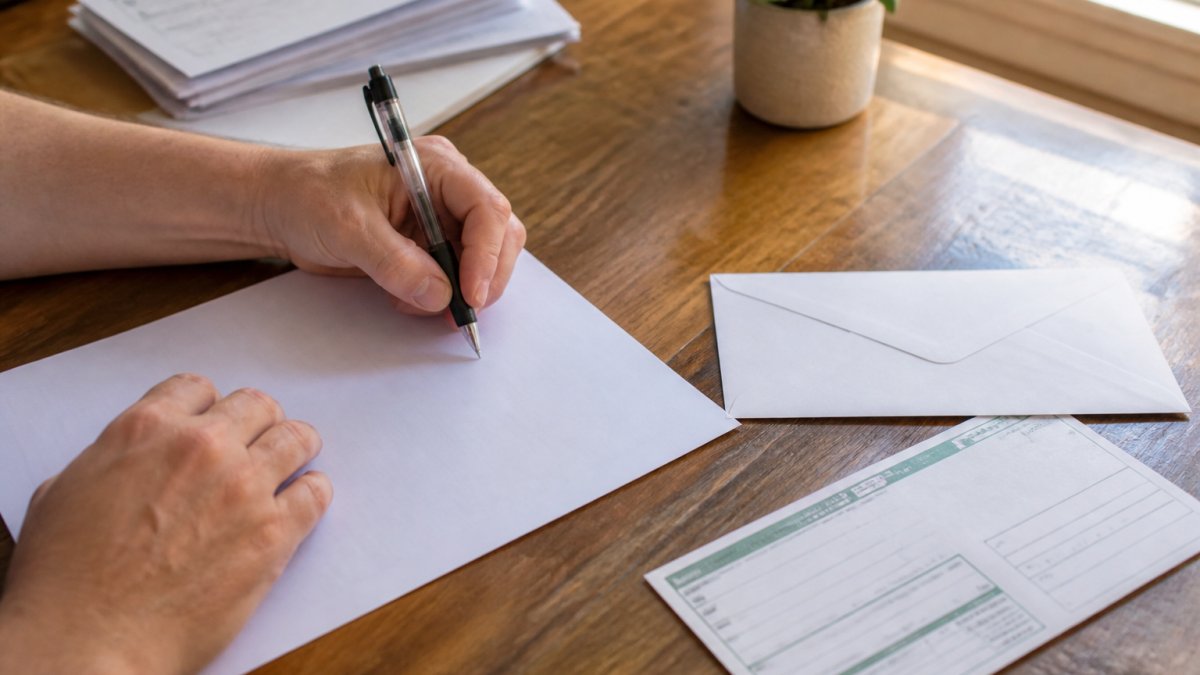
Start with your contact information at the top: full name, address, phone number, then the date.
Ask for specific documents:
- A copy of the original contract or agreement
- Proof that the debt was transferred to them
- An itemized statement of the balance
- Any payments you've made
- Proof of their authority to collect
Keep the letter short and professional. Don't argue about the debt or explain why you think it's wrong.
Sign the letter by hand if possible. Make two copies: one to send and one to keep for your records.
Here's a template you can use:
[Your Name] [Your Address] [Your Phone Number] [Date]
[Debt Collector Name] [Collector's Address]
RE: Formal Request for Debt Validation
Dear [Collector Name]:
I am writing to formally request validation of the debt you claim I owe. According to your letter dated [date], you allege that I owe [amount] on account [account number].
Pursuant to the Fair Debt Collection Practices Act, 15 U.S.C. § 1692g, I am requesting that you provide the following:
- Proof that the debt is valid and that I am the debtor
- A copy of the original contract or agreement
- Documentation showing the debt was transferred to you
- An itemized statement of the current balance
- Records of any payments I have made
- Proof of your authority to collect this debt
Please provide this information within 30 days of receipt of this letter. Until you provide validation, I dispute the debt.
I am sending this letter via certified mail with return receipt requested.
Sincerely,
[Your Signature] [Your Typed Name]
Send this letter via certified mail with return receipt requested. This costs a few dollars but gives you proof of delivery. Keep the return receipt.
What Debt Collectors Must Provide for Validation
When you request validation, the collector must respond with actual proof. They can't just say "yes, the debt is real." They must provide documents.
A valid validation response includes:
- Documentation that you incurred the debt
- Proof the collector owns or has the right to collect the debt
- An accounting of what you owe (principal, interest, fees)
- Information about the original creditor
- Any payment history or credits
They don't have to provide a copy of your signature on the original contract, though many will if they have it.
Many collectors respond with vague letters saying "we confirm the debt" or "the debt is valid." This is not validation. Push back. Demand specific documentation.
Some debts are harder to validate: old debts, debts sold multiple times, or medical debts may have incomplete records.
The collector has 30 days to respond to your validation request. If they don't respond within that window, they should stop collection efforts.
What Happens After Sending a Debt Validation Letter
The collector has 30 days to respond. During this time, the debt remains on your credit report, but it should be marked as disputed.
When the collector responds, you'll get one of three outcomes:
They provide valid proof. If their documentation is complete and shows the debt is real and you owe it, decide your next step: negotiate a settlement, request a payment plan, pay the debt, or let it age until the statute of limitations expires.
They provide inadequate proof. If their response is vague, incomplete, or doesn't answer your questions, send a follow-up letter. Specify what's missing. Request the documents again.
They don't respond. If the collector ignores your validation request or misses the 30-day deadline, they've violated the FDCPA. Document this.
While waiting for validation, continue to monitor your credit report. If the debt appears, dispute it with the credit bureau as well.
If the collector sues you before responding to your validation request, bring up the validation issue in your defense.
Practical Mailing and Record-Keeping Checklist
Sending your validation request is only half the battle. You must document everything to protect yourself.
Use this checklist to stay organized:
- Document the date of the collector's first contact (phone call, letter, email, text)
- Calculate your 30-day deadline and mark it on your calendar
- Gather any letters or documents the collector sent you
- Write your validation request letter using the template above
- Make two copies of the letter (one to send, one to keep)
- Address the envelope to the collector's mailing address
- Take the letter to the post office and request certified mail with return receipt
- Save your receipt from the post office
- When the return receipt arrives, file it with your copy of the letter
- Create a folder (physical or digital) with all correspondence
- Document any phone calls or additional contact from the collector
- Check your credit report 30 days after sending the validation request
- If the collector responds, review their documentation carefully
- Keep all documents for at least 7 years (the statute of limitations for many debts)
Organization is your best defense. If the collector sues you or continues collection after you've requested validation, you'll need proof of what you did and when. Courts rely on documentation.
Many people lose because they can't prove they sent their validation request or met the deadline. Use certified mail. Keep receipts. Document everything.
Facing a debt collection letter can feel overwhelming, but you have legal rights. Requesting validation is one of your strongest tools.
At WageHelpCenter, we help people understand these protections. You deserve clarity about what you owe and to whom.
Frequently Asked Questions
What should I include in a debt validation letter?
Your debt validation letter must include your name, address, account number (if known), the amount of the debt, the original creditor's name, a clear statement that you dispute the debt, and a request for the collector to provide proof. Send it certified mail with return receipt to create a documented record. Keep copies of everything you send and receive.
What happens after I send a debt validation letter?
Once the collector receives your written validation request, they must pause collection activity and provide documentation proving the debt within 30 days. If they cannot validate the debt, they must stop collection efforts. If they do validate it, collection activity may resume, but you'll have proof of the debt's legitimacy.
Can I request debt validation after the collector has contacted me?
Yes. You can request validation within 30 days of receiving the initial communication from the collector. Even if more time has passed, you can still submit a written dispute, though the 30-day window for the collector's mandatory response may have closed. Send your request certified mail to establish proof of delivery.
What do collection agencies need to provide for debt validation?
Collectors must provide the amount of the debt, the original creditor's name, proof that you owe the debt, and documentation showing the collector's right to collect. This may include account statements, contracts, or payment history. They cannot simply assert the debt exists; they must furnish verifiable evidence or cease collection activity.