 how-to
How to Prepare for Debt Collection Court Hearing
Table of Contents
- Understanding Your Debt Collection Court Hearing
- What to Bring to a Debt Collection Court Hearing
- Responding to the Summons Before Your Hearing
- Key Questions to Prepare for at a Debt Collection Court Hearing
- Exploring Settlement Options Before Court
- Common Defenses and What to Know About Them
- What Happens at the Hearing and After Judgment
- Frequently Asked Questions
Last Updated: October 10, 2026
Understanding Your Debt Collection Court Hearing
A debt collection court hearing is a legal proceeding where a creditor or collection agency presents their case against you for unpaid debt. The court will decide whether you owe the money and what the creditor can collect. Understanding what happens at this hearing is critical, it determines whether you face wage garnishment, bank account levies, property liens, or other collection actions.
The stakes are real. If you lose, the court enters a judgment against you. That judgment becomes a legal tool the creditor uses to take money directly from your paycheck, freeze your bank account, or place a lien on your property.
This guide walks you through what to expect, how to prepare, and what documents you need to bring. We'll also cover settlement options, common defenses, and what to do if you've already missed a deadline.
The most important step happens before the hearing: responding to the summons on time. Miss that deadline, and the creditor wins without presenting any evidence.
What to Bring to a Debt Collection Court Hearing
Essential Documents and Records
Bring originals or certified copies of every document that relates to the debt. The plaintiff (the creditor or collection agency) must prove they own the debt and that you owe the amount they claim. Your documents help you challenge their proof.
Gather these documents:
- The original contract or credit agreement, Shows the terms you agreed to
- Payment history, Bank statements, cancelled checks, or payment receipts proving what you've paid
- Correspondence with the creditor or collection agency, Letters, emails, or notices they sent
- Your own records of disputes, If you sent a debt verification letter, bring a copy and proof it was received
- Medical records or proof of hardship, If the debt relates to medical bills or job loss, bring documentation
- Proof of identity, A government-issued ID to verify you are who you claim to be
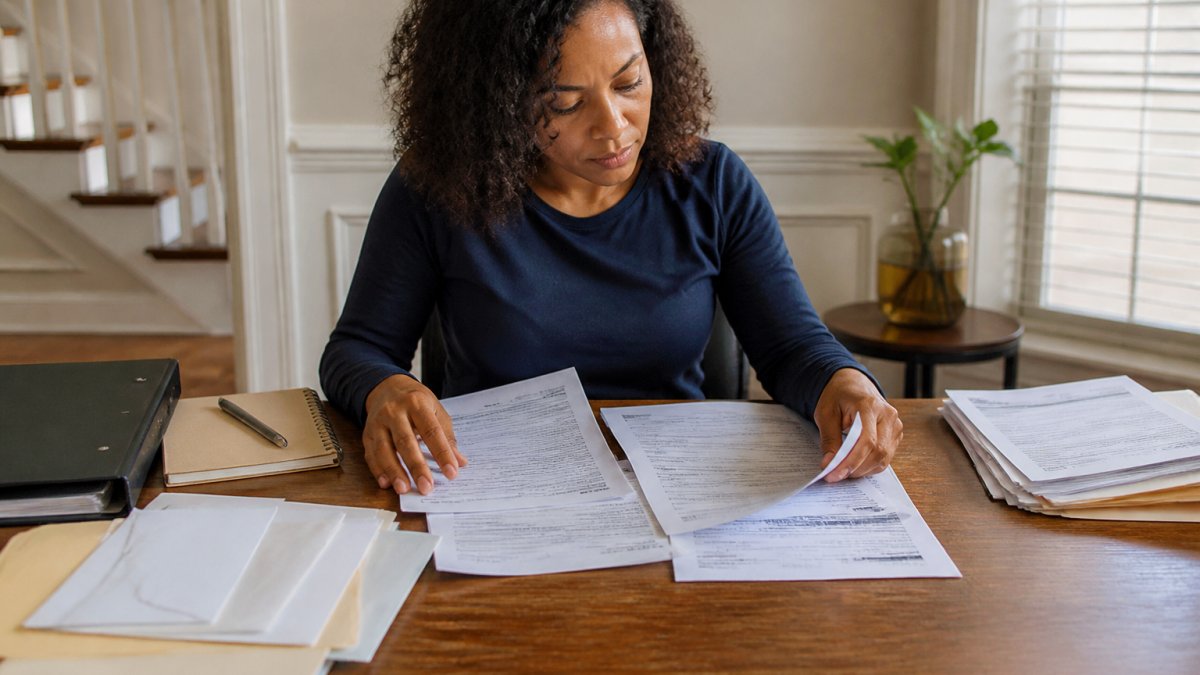
Bring these items in a folder or binder organized by date. Label each document. The judge may ask to see specific papers, and organized evidence is easier to reference than a loose stack.
Also bring a notebook and pen. Write down the judge's questions and your answers. If the judge asks for something you don't have, write that down too, it may matter later.
Debt Lawsuit Evidence Checklist
Before you walk into court, verify what the creditor is actually claiming. Courts require the plaintiff to prove three things: that the debt exists, that you owe it, and that the amount is correct. Your checklist ensures you're ready to challenge each claim.
Use this checklist:
- Confirm the creditor's name on the summons matches the original creditor or a valid debt buyer
- Verify the debt amount against your own records
- Check the date the debt was created (important for statute of limitations defenses)
- Confirm your address on the summons is correct (wrong address can invalidate service)
- Review the complaint for errors in your name, account number, or dates
- Gather proof of any payments you made after the alleged default
- Collect evidence of any settlement offers the creditor made
- Note any communications where the creditor admitted errors or agreed to resolve the debt
- Check whether the debt is older than your state's statute of limitations
- Bring proof of any identity theft or fraud if the debt is not yours
The statute of limitations varies by state and by debt type. If the debt is older than your state's statute of limitations, you have a strong defense, but you must raise it in court.
Responding to the Summons Before Your Hearing
You have a limited time to respond to the summons after you receive it. Missing this deadline is the single biggest mistake people make.
Response deadlines vary by state. Check your state's civil procedure rules or ask the court clerk how many days you have.
Your response is called an answer. It's a written document filed with the court that tells your side of the story. You can admit or deny each claim the creditor makes.
File your answer with the court and serve a copy on the creditor's attorney. "Serve" means sending them a copy by mail or email, depending on what the court allows.
If you cannot afford an attorney, ask the court about free or low-cost legal aid. Many areas have legal aid societies that help people facing debt lawsuits.
If you miss the response deadline, you can still ask the court to set aside the default judgment.
Key Questions to Prepare for at a Debt Collection Court Hearing
The judge will ask you questions. Prepare your answers in advance. Practice saying them out loud so you don't stumble in court.
Expect these questions:
"Do you owe this debt?" Answer yes or no. If you dispute part of it, say so. Example: "I owe $2,000, but they're claiming $3,500 with fees I don't believe are valid."
"Have you made any payments?" List every payment you made. Bring proof.
"Why haven't you paid?" Be honest. Job loss, medical emergency, or other hardship is a valid reason. The judge may be more willing to work with you if you explain what happened.
"Do you dispute the amount?" If you do, explain why. Maybe fees are wrong, interest is calculated incorrectly, or you already paid part of it.
"Have you received any settlement offers?" If the creditor offered to settle, mention it. It shows they may not be confident in their case.
"Do you have any defenses?" Defenses are legal reasons why the creditor shouldn't win.
Write your answers down and bring them to court. Don't read from the paper, but refer to it if you forget details.
Exploring Settlement Options Before Court
A settlement is an agreement between you and the creditor to resolve the debt for less than the full amount owed. Settling before court is almost always better than losing a judgment.
Why settle?
- You avoid a judgment on your credit report
- You stop wage garnishment, bank levies, and liens before they happen
- You may pay significantly less than the full amount
- The case ends quickly
The creditor may be willing to settle because they know they might lose at trial, or because collecting from you is expensive. Offer to settle before the hearing if possible.
Common settlement structures:
- Lump sum, Pay one amount now, debt is forgiven
- Payment plan, Pay over time in installments
- Reduced amount, Pay 50% to 70% of what you owe, debt is forgiven
- Hybrid, Pay a lump sum now, then installments for the rest
Get any settlement agreement in writing before you pay. The agreement should state the exact amount, the payment schedule, and that the debt is forgiven once you pay. Make sure it says the creditor will not pursue further collection or report the debt to credit bureaus after settlement.
If you reach a settlement, ask the creditor to dismiss the lawsuit. That way, there's no judgment on your record.
Common Defenses and What to Know About Them
A defense is a legal reason why the creditor shouldn't win. You don't have to prove you don't owe the debt, the creditor must prove you do.
Statute of Limitations, The creditor has a time limit to sue.
Lack of Proof of Debt Ownership, The creditor must prove they own the debt. If they bought it from another company, they need documentation showing the transfer.
Incorrect Amount, The creditor must prove the amount is correct. If they've added fees, interest, or charges you dispute, challenge them.
Mistaken Identity or Fraud, If the debt is not yours, say so.
Violations of Debt Collection Law, Debt collectors must follow federal and state laws. The Fair Debt Collection Practices Act prohibits abusive, unfair, and deceptive collection practices (the FTC).
Already Paid, If you paid the debt, bring proof. A cancelled check, bank statement, or receipt showing payment is strong evidence.
You don't need an attorney to raise these defenses, but an attorney can help you present them effectively. Many attorneys offer free consultations.
What Happens at the Hearing and After Judgment
The hearing is your chance to tell your side. The creditor's attorney presents their case first. They'll show documents proving the debt and your obligation to pay. You'll have a chance to ask questions and challenge their evidence.
Then you present your defense. Bring your documents, explain your side, and answer the judge's questions. Stay calm and respectful. Speak clearly. If you don't understand a question, ask the judge to repeat it.
After both sides present, the judge decides. The judge may decide right away or take time to consider the evidence. If the judge rules in favor of the creditor, a judgment is entered against you.
A judgment is a court order saying you owe the debt. Once a judgment is entered, the creditor can use it to:
- Garnish your wages, Take money directly from your paycheck
- Levy your bank account, Freeze and seize money in your account
- Place a lien on your property, Claim a right to your home or car if you sell it
- Garnish other income, Take tax refunds, disability payments, or other income
Some income is exempt from garnishment, Social Security, disability benefits, and unemployment in most states. The creditor can typically garnish a portion of your disposable income (Fact Sheet #30: Wage Garnishment Protections of the Consumer Credit Protection Act (CCPA)).
If you lose and cannot pay the judgment, ask about a payment plan. Many courts allow you to pay judgments over time. If your financial situation changes, you can ask the court to modify the payment plan.
If you believe the judgment is wrong, you may have the right to appeal. Speak with an attorney about this option.
Frequently Asked Questions
What should I bring to a debt collection court hearing?
Bring all documents related to the debt: original loan agreement, payment history, bank statements showing payments made, correspondence with the creditor or collector, proof of service of the summons, and a copy of your written answer filed with the court. Organize these chronologically and bring multiple copies. Also bring a photo ID and any written notes about the debt's history. If the debt is not yours or has been paid, bring proof of that specifically.
How do I prepare for a debt collection court hearing?
Start by reviewing the summons and complaint carefully to understand exactly what the plaintiff claims you owe. Gather all documents supporting your position on the debt. Respond to the summons by filing an answer with the court before the deadline, missing this deadline results in a default judgment against you. Research your state's rules on debt collection and wage garnishment. Practice what you will say to the judge, keeping explanations clear and factual. Consider consulting an attorney if you have a valid defense or if the amount is significant.
Can I settle a debt collection lawsuit before the court hearing?
Yes. Many debt collection lawsuits settle before trial. Contact the plaintiff's attorney or collection agency to negotiate a settlement agreement. A settlement can reduce the amount owed, extend payment terms, or stop the lawsuit entirely. Get any settlement in writing before making payments. A written settlement agreement protects you from further collection action and can be filed with the court to dismiss the case. Settlement may also be less damaging to your credit than a judgment, though the account will still show on your credit report.
What happens if I ignore a debt collection court hearing?
If you fail to appear at the hearing, the judge will likely enter a default judgment against you. This means the court rules in the plaintiff's favor without hearing your side. A default judgment allows the creditor to garnish your wages, levy your bank account, place a lien on your property, and take other collection actions. A default judgment is harder to overturn than a contested judgment. If you miss your hearing date, consult an attorney immediately about filing a motion to vacate the judgment.
Facing a debt collection lawsuit is stressful, but you have options. Responding to the summons on time, preparing your documents, and exploring settlement before court can change the outcome. WageHelpCenter provides guides and resources to help you understand your rights, locate an affordable attorney, and take action before a judgment and garnishment happen. Don't wait, the sooner you respond, the more control you have over what happens next.