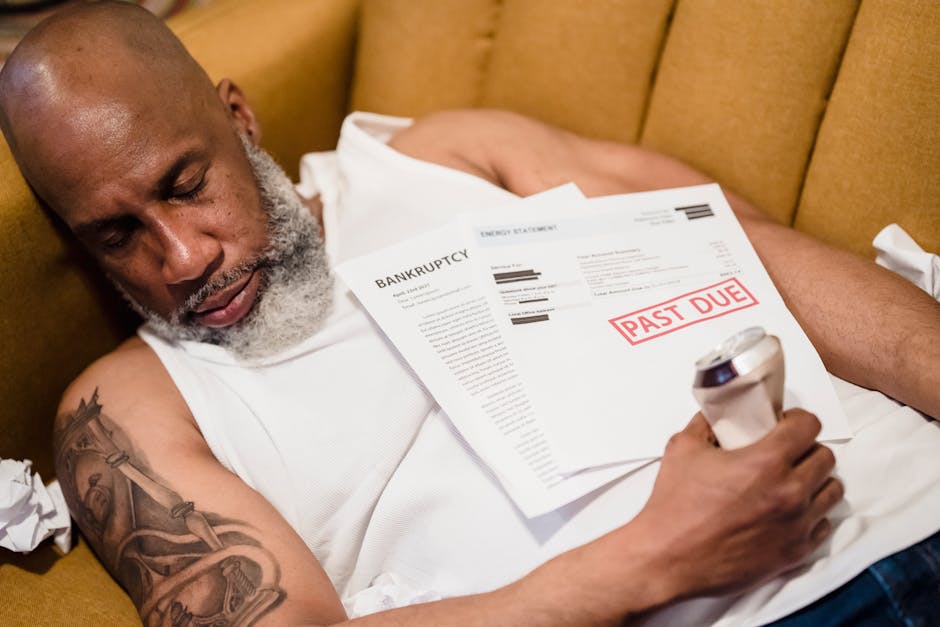
Understanding Garnishable Debts in Texas
If you're worried about wage garnishment in Texas, you're in the right place. Texas has some of the most worker-friendly wage protection laws in the country, which means most of the debts you owe simply cannot be garnished from your paycheck. But some debts absolutely can be, and it's critical to know the difference.
The rules around garnishable debts are complex and state-specific. What gets garnished in California or New York won't necessarily apply in Texas. WageHelpCenter specializes in helping Texans understand exactly which debts pose a real threat to their wages and which ones don't, so you can plan your finances accordingly.
Which Debts Can Be Garnished in Texas
Only a small list of debts are actually garnishable in Texas. These are debts backed by federal law or court orders with special enforcement powers.
Related: Can Wages Be Garnished in Texas for Credit Card Debt?
- Child Support Payments: This is the most common garnishable debt in Texas. If you owe child support, a portion of your wages can be garnished directly from your employer without a separate lawsuit. The federal standard allows up to 50% of disposable income for one child and up to 60% for multiple children (or up to 65% if you're more than 12 weeks behind).
- Spousal Support (Alimony): Like child support, court-ordered alimony can be garnished from your paycheck. Texas family courts can order income withholding as part of a divorce or family law judgment.
- Federal Student Loans: The U.S. Department of Education can garnish up to 15% of your disposable income if your federal student loans are in default. This doesn't require a court judgment—the government has administrative enforcement power.
- Federal Income Tax Debt: The IRS can levy your wages for unpaid federal taxes without going through the court system. This is one of the most aggressive collection tools available to the government.
- Federal Non-Tax Debts: Less common, but the federal government can garnish wages for specific debts like food stamp fraud, military overpayments, or other federal program overpayments.
Debts That CANNOT Be Garnished in Texas
This is the good news. Texas law provides strong protections against wage garnishment for consumer debts. Here's what creditors cannot garnish from your paycheck, even if they win a lawsuit against you:
- Credit Card Debt: No matter how large the balance or how old the debt, credit card companies cannot garnish your Texas wages.
- Medical Bills: Hospital bills, doctor invoices, and medical debt are not garnishable in Texas.
- Car Loans and Personal Property Loans: Even if you defaulted on an auto loan, the creditor cannot garnish your wages. (They can repossess the vehicle, but that's a different matter.)
- Personal Loans: General unsecured personal loans from banks or online lenders cannot be garnished.
- Payday Loans: Even payday lenders cannot garnish Texas wages.
- Utilities and Rent Arrears: Unpaid electric bills, water bills, or back rent cannot be garnished.
This is a huge protection. In states like New York, California, or Florida, creditors can garnish a significant portion of your paycheck for credit card or medical debt. Texas does not allow this. The state constitution was written with strong protections for working people's income.
Why Texas Has Stronger Protections Than Other States
The Texas Constitution includes Article 16, Section 28, which explicitly limits wage garnishment. This constitutional protection reflects Texas's historical philosophy of protecting the working person's ability to earn a living.
Related: Wage Garnishment Laws by State 2026: Your State-by-State Guide
Related: Understanding Writs of Garnishment 2026: Complete Guide & Legal Options
Related: Louisiana Wage Garnishment Laws 2026: Complete Guide & Protection Strategies
Related: Indiana Small Claims Rules: Complete 2025 Guide
Related: Writ of Garnishment Form Texas: Complete Filing Guide
Related: Maximum Wage Garnishment Percentage 2026: Complete Breakdown
Here's the key difference: most states allow creditors to garnish wages for general consumer debt if they obtain a judgment in court. Texas does not. A court judgment alone is not enough to garnish your paycheck in Texas unless the debt falls into one of the specific categories listed above.
This doesn't mean creditors have no remedies. They can still pursue liens on property, freeze bank accounts, or attempt to garnish non-wage income. But your active paycheck is significantly protected in Texas.
Comparison: Garnishable Debts in Texas vs. Other States

| Debt Type | Texas | California | New York | Florida |
|---|---|---|---|---|
| Credit Card Debt | No | Yes (25%) | Yes (10%) | Yes (25%) |
| Medical Bills | No | Yes (25%) | Yes (10%) | Yes (25%) |
| Child Support | Yes (50-65%) | Yes (50-65%) | Yes (50-65%) | Yes (50-65%) |
| Student Loans (Federal) | Yes (15%) | Yes (15%) | Yes (15%) | Yes (15%) |
| Federal Taxes | Yes (varies) | Yes (varies) | Yes (varies) | Yes (varies) |
| Car Loans | No | Yes (25%) | Yes (10%) | Yes (25%) |
As you can see, Texas is significantly more restrictive than most states when it comes to consumer debt garnishment. If you live in Texas, your paycheck is far more protected than it would be in California, New York, or Florida.
Facing a legal issue?
Request a Free Consultation →What About Bank Account Levies and Other Collection Methods?
While wage garnishment is restricted in Texas, it's important to understand that creditors have other tools. Even though they can't touch your paycheck for credit card debt, they can:
- Levy Your Bank Account: A creditor with a judgment can freeze and take money directly from your bank account.
- Place a Lien on Property: They can file a lien against real estate or other property you own.
- Garnish Non-Wage Income: Income from investments, rental property, or other sources may be vulnerable.
- Garnish Certain Government Benefits: Social Security and disability benefits have their own rules (generally protected, but there are exceptions).
This is why understanding the full scope of debt collection remedies is important. Wage garnishment is just one tool, and Texas restricts it heavily. But creditors aren't powerless—they just have to use other methods.
How to Protect Yourself From Garnishment in Texas
If you're facing a debt collection lawsuit or worried about potential garnishment, here are the key steps:
- Respond to Lawsuits: If you're sued, respond within the deadline (usually 20-30 days). Many judgments happen by default when people don't respond.
- Know Your Exempt Income: Understand what income is protected under Texas law. Your regular paycheck is largely protected; make sure you're not conflating wage protection with other collection methods.
- Separate Your Accounts: Keep business income, investment income, and other non-wage sources in separate accounts. This can make it harder for creditors to target everything at once.
- Request a Hearing: If garnishment does occur (for child support, student loans, etc.), you have the right to a hearing to challenge improper garnishment amounts or procedures.
- Seek Legal Advice: WageHelpCenter provides detailed guidance on protecting your income and understanding your rights under Texas law.
Federal vs. State Debt: Which Garnishment Rules Apply?
One crucial point: federal debts (student loans, federal taxes, federal non-tax debts) can be garnished in Texas even though state law would normally prohibit consumer debt garnishment. This is because federal law preempts state law for federal debts.
If you owe the IRS or have defaulted federal student loans, the federal government can garnish your Texas wages regardless of the Texas Constitution's protections. This is a major distinction.
However, the federal government must still follow proper procedures. They can't just take money without notice and opportunity for a hearing. If you receive a notice of intent to garnish from the IRS or the Department of Education, take it seriously and consider responding.
Common Misconceptions About Texas Garnishment

Misconception #1: "If I get sued, they can garnish my wages." Not in Texas for consumer debt. A court judgment alone doesn't enable wage garnishment unless the debt is child support, alimony, student loans, or federal taxes.
Misconception #2: "Creditors can't collect anything in Texas." False. They can collect through liens, bank levies, and pursuing non-wage income. Texas restricts wage garnishment specifically, not all collection methods.
Misconception #3: "Once I'm behind on child support, they can take all my income." No. Even child support garnishment is capped at 50-65% of disposable income, leaving you money to live on.
Misconception #4: "My employer has to tell me if my wages are being garnished." Yes, they do. Your employer must provide notice of garnishment and cannot take money without informing you.
What to Do If Your Wages Are Being Garnished
If you discover that money is being taken from your paycheck, act immediately:
- Verify the Garnishment: Confirm that the garnishment is legal and properly calculated. Request documentation from your employer about the garnishment order.
- Identify the Creditor: Determine which creditor or agency initiated the garnishment. Is it child support, the IRS, or a student loan servicer?
- Review for Errors: Check that the amount taken is correct and that your income is actually subject to garnishment.
- Request a Hearing: Most garnishment orders include your right to request a hearing to challenge the garnishment.
- Contact WageHelpCenter: WageHelpCenter offers resources to help you understand your specific situation and determine your next steps.
State and Federal Resources for Texas Residents
If you need additional information, here are authoritative resources:
- Texas Attorney General Consumer Protection Division: Handles complaints about debt collection abuse under the Fair Debt Collection Practices Act.
- Consumer Financial Protection Bureau (CFPB): The CFPB provides excellent information on wage garnishment rules across states.
- Legal Aid of NorthWest Texas: Offers free or low-cost legal help for low-income Texans facing debt collection.
- Texas RioGrande Legal Aid: Serves South Texas with legal assistance for debt and garnishment issues.
Final Thoughts: Texas Protects Your Paycheck
The bottom line is this: Texas has strong constitutional protections against wage garnishment for consumer debt. If you're being threatened with garnishment for credit card debt, medical bills, or car loans, you have a major advantage simply by living in Texas.
However, that protection doesn't extend to child support, alimony, federal student loans, or federal taxes. And even for consumer debt, creditors can pursue other collection methods. Understanding which debts can actually be garnished in Texas is the first step to protecting yourself.
If you're unsure about your situation or need help understanding a specific garnishment threat, resources like WageHelpCenter can provide clarity and help you navigate the legal process with confidence.
Frequently Asked Questions
Can my employer garnish my wages without a court order in Texas?
Not for consumer debt. For child support, alimony, and federal debts (student loans, taxes), garnishment can occur with administrative orders that don't require a traditional court judgment. For consumer debt like credit cards or medical bills, no garnishment is allowed in Texas regardless of whether a judgment exists. Your employer must receive a valid garnishment order before taking any money from your paycheck.
Is my Social Security income protected from garnishment in Texas?
Social Security is generally protected from garnishment by federal law, even outside of Texas. However, there are exceptions: child support, spousal support, and federal tax debt can be garnished from Social Security under federal rules. The key is that the debt must be a qualifying federal debt. Credit card companies and medical providers cannot touch your Social Security income.
What's the difference between a wage garnishment and a bank levy in Texas?
A wage garnishment targets your paycheck and takes a percentage of your future income. A bank levy targets your bank account and can take money that's already in the account. Texas restricts wage garnishment for consumer debt but does allow bank levies if a creditor has a judgment. This is why separating your accounts and maintaining emergency funds in accessible but protected accounts is important.
Can the IRS garnish my Texas wages without suing me?
Yes. The IRS has administrative authority to garnish wages for unpaid federal taxes without filing a lawsuit. The IRS can levy up to 100% of your disposable income (after a standard deduction for living expenses). This is one of the most serious garnishment threats because it bypasses the court system entirely. If you receive a Notice of Intent to Levy, respond immediately and consider negotiating a payment plan or offer in compromise with the IRS.
Facing a legal issue?
Request a Free Consultation →