
If you're worried about creditors coming after your paycheck, here's the good news: Texas law gives you real protections. Not all your income is fair game for debt collectors, and understanding what's shielded can make the difference between keeping your job stability and losing control of your finances.
The problem many Texans face is not knowing which income actually belongs to them legally. Creditors are aggressive, and they count on confusion. That's where clarity matters. WageHelpCenter helps working people understand their rights so they can act with confidence.
What Income Is Protected from Creditors in Texas?
Texas has surprisingly strong income protection laws. Let's break down what's actually safe from garnishment and creditor seizure.
Related: Garnishment Laws by State: Your Income Protection Guide
Related: Wage Garnishment in Texas 2026: Legal Status & Protection Data
Government Benefits Are Almost Always Protected
Social Security, disability payments, and public assistance benefits have federal-level protection that Texas recognizes. This means creditors cannot touch these funds, period. If a creditor tries to freeze a bank account that contains only Social Security or SSDI income, you have legal grounds to fight it.
But there are exceptions: child support obligations, student loan debts, and tax arrears can pierce this shield. The IRS or a state child support enforcement agency can garnish Social Security in limited circumstances, but regular credit card companies, medical debt collectors, and personal loan creditors cannot.
Wages Have Limits (But You're Protected)
Texas is one of the most wage-earner-friendly states in the nation. Here's why: Texas has no state income tax. This means the federal wage garnishment limits apply, and they're already protective.
Federal law caps wage garnishment at 25% of your disposable income, whichever is less. In practice, this means creditors can't take your entire paycheck, and they can't leave you with nothing. Your essential living expenses come first, your paycheck protection comes second, and what's left is what creditors can grab.
Retirement Accounts and Insurance Benefits
Your 401(k), IRA, and most pension plans are protected from judgment creditors under ERISA (Employee Retirement Income Security Act). Similarly, life insurance proceeds and disability insurance benefits have protective status in Texas law. If you have long-term disability coverage, that income stream is shielded too.
This matters because creditors sometimes target retirement savings thinking they're unprotected. They're wrong. Knowing this can prevent you from panic-liquidating accounts that are already legally safe.
How Texas Homestead and Property Exemptions Work
Beyond income, Texas also protects your primary residence (homestead), a portion of personal property, and certain tools or equipment you use for work. This is critical context because it shows you're not defenseless.
Related: Head of Household Exemption from Wage Garnishment: Protect Your Income
Related: What Income Is Exempt From Wage Garnishment? 2026 Guide
Your homestead exemption allows you to protect up to 20 acres (or 1 acre in urban areas) plus the home itself from judgment creditors. Personal property exemptions vary by category. These aren't just theoretical; they're enforcement-backed protections you can assert in court.
When you understand the full scope of what's protected, you realize creditors have fewer options than they want you to think. This is why working with WageHelpCenter to map out your specific situation pays off so fast. You stop being reactive and start being strategic.
Facing a legal issue?
Request a Free Consultation →What Creditors Can Actually Garnish in Texas
Let's be honest about what you're still exposed to. Unsecured creditors (credit cards, medical debt, personal loans, payday loans) can pursue a judgment against you and attempt wage garnishment within federal limits. Here's the process:
- Creditor sues you in civil court
- If they win a judgment, they can file a wage garnishment order with your employer
- Your employer is legally required to comply with the order and withhold up to 25% of disposable income
- That money goes to the creditor until the debt is satisfied
The key word is "judgment." Many people don't realize you can fight back at this stage. If the debt is old, if the creditor violated collection laws, if you have valid defenses, or if the creditor can't properly serve you, you can block the judgment. WageHelpCenter's legal guidance walks you through these defensive strategies so you're not caught flat-footed.
Bank Account Freezes and Protected Income

One of the most frightening creditor tactics is a bank account freeze. This happens after a judgment, and it feels like an emergency. But here's the protection you need to know: if your account contains only protected income (Social Security, disability, public assistance), your entire account is off-limits.
The problem is proving it. You need documentation showing the source of funds. Statements, benefit notices, and deposit records are your evidence. If you can show that 100% of the deposits came from protected sources, the freeze gets lifted under the "Funds Deposited Post-Judgment" rule.
Mixed accounts (where you have both protected and unprotected income) get trickier, but you still have rights. The law assumes funds are protected unless the creditor proves otherwise. This is why keeping clean records and responding promptly to freeze notices matters so much.
Building a Proactive Income Protection Strategy
The best approach isn't waiting for a garnishment notice. It's understanding your exposure now and taking preventive steps. Here's what that looks like:
- Know your debt situation and which creditors are most likely to sue
- Understand which of your income streams are protected (and document it)
- Respond to any lawsuit or garnishment notice (ignoring it guarantees a default judgment against you)
- Consider setting up direct deposit from protected sources into a separate account to simplify proof
- Explore debt negotiation or settlement before creditors reach judgment stage
This is exactly where WageHelpCenter helps. We provide the legal framework and strategy you need to protect your income before a crisis hits, and we guide you through response if one does.
Special Considerations for Disability and Long-Term Protection
If you're on disability or concerned about income interruption, long-term disability (LTD) insurance is worth exploring. Coverage can protect you during periods when you can't work, and studies show quality LTD plans can provide savings of up to 30% in total income protection costs over time when combined with other safety nets.
The reason this matters for creditor protection is simple: if you have stable, protected income (or income you're insuring against loss), you're in a much stronger negotiating position. Creditors know you have resources. You're also less likely to be a target for predatory lending or settlement scams that prey on desperate, unprotected workers.
Taking Action on Your Texas Income Protection
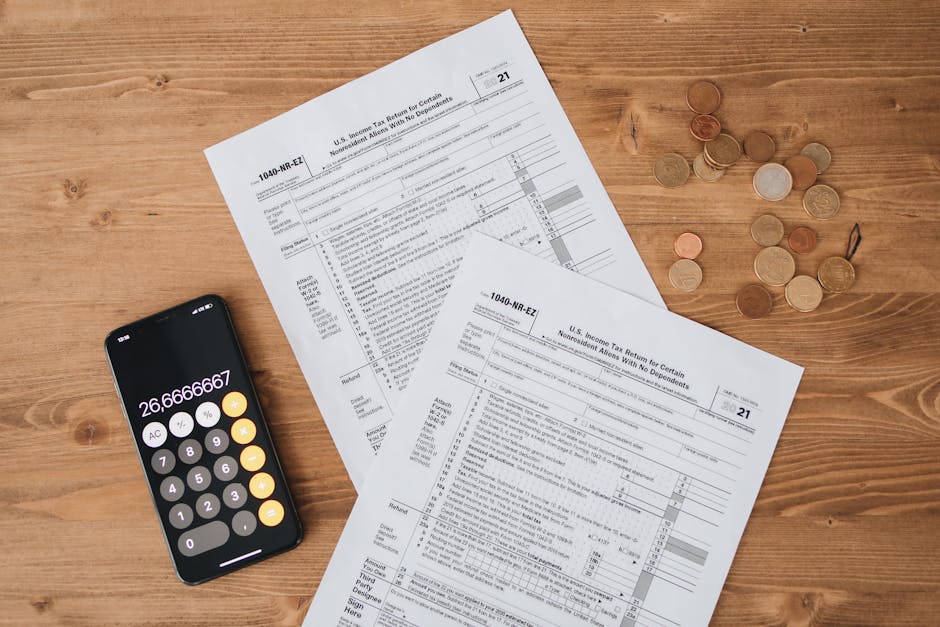
Understanding your rights is the first step. Acting on that understanding is what changes your situation.
Start by documenting your income sources and identifying which are protected. If you're already facing a garnishment notice or creditor lawsuit, respond immediately and don't ignore court documents. If you're trying to set up a defensible financial structure, do it now while you're not in crisis mode.
This is where many people find real value in working with WageHelpCenter. You get clear, actionable guidance on Texas law, your specific situation, and what to do next. No confusion, no legal jargon you can't parse, and no surprises.
Your income is your lifeline. Protecting it legally isn't just smart, it's your right.
What counts as "disposable income" for garnishment purposes in Texas?
Disposable income is what's left after legally required deductions like federal, state, and Social Security taxes, Medicare, and court-ordered child support. It does not include basic living expenses like food or housing. Federal law uses a specific calculation based on the federal minimum wage to determine the threshold below which garnishment cannot go.
Can the IRS garnish my wages differently than regular creditors?
Yes. The IRS has different authority than regular creditors. They don't need a court judgment to garnish wages for unpaid taxes. However, they must follow specific notice and appeal procedures, and they must also leave you with minimum income to live on. If you owe back taxes, it's critical to work with a tax professional or attorney who understands IRS levy procedures.
Are my Social Security benefits protected if I owe child support?
Generally, Social Security is protected from most creditors, but child support is a major exception. The federal government allows states to garnish Social Security for unpaid child support obligations. Public assistance and SSI have similar limitations. If you owe child support, you cannot assume your benefits are untouchable.
What should I do if my bank account gets frozen by a creditor?
First, do not panic. Respond immediately by contacting your bank and the creditor's attorney. If the account contains only protected funds, you have grounds to request an immediate release. Gather documentation of the source of deposits (benefits statements, pay stubs, etc.). You may need to file a motion with the court claiming the funds as exempt. Speed matters here because frozen accounts can affect your ability to pay rent or bills, so act fast.
Facing a legal issue?
Request a Free Consultation →