 listicle
How to Find Affordable Legal Aid: A 2026 Guide
Table of Contents
- Where to Start When You Need Affordable Legal Aid
- Legal Aid Eligibility Requirements: Do You Qualify?
- Pro Bono Attorney Programs and State Bar Association Legal Referral Services
- Navigating the Moderate-Income Gap: Affordable Legal Aid When You Earn Too Much
- How to Represent Yourself in Court Pro Se
- Alternative Dispute Resolution: Mediation Before Litigation
- Vetting Legal Aid Quality: How to Avoid Bad Advice
- Conclusion
Last Updated: August 5, 2026
Where to Start When You Need Affordable Legal Aid
Finding affordable legal aid feels overwhelming when you are already dealing with a debt collection lawsuit, an eviction notice, or a wage garnishment order. A structured network of free and low-cost legal resources exists across every U.S. state, and knowing where to look first cuts through the confusion fast.
At WageHelpCenter, we help people facing debt collection lawsuits and wage garnishment find the right legal resources before a default judgment locks in their financial future. Start with two questions: What is your household income relative to the federal poverty guidelines? And what type of civil legal issue are you facing? Your answers determine which doors are open to you.

Legal Services Corporation and LSC-Funded Programs
Legal Services Corporation (LSC) is the largest funder of civil legal aid for low-income Americans, providing grants to 129 independent legal aid organizations across the country. These local organizations handle civil legal issues including debt collection, housing, family law, and public benefits.
To find your nearest LSC-funded office, visit Legal Services Corporation's official program locator. Enter your zip code and the site returns contact information for local legal aid organizations. LSC-funded programs are free for eligible individuals, with income thresholds generally set at or below 125% of the federal poverty guidelines, though individual offices may serve clients up to 200% in some circumstances.
LawHelp.org and State-Specific Directories
LawHelp.org is a national online directory that connects people with nonprofit legal aid organizations in every U.S. state and territory. Beyond referrals, the site offers free court forms, self-advocacy guides, and plain-language explanations of legal rights covering eviction, family law, debt collection, and more.
Each state has its own LawHelp portal with resources tailored to local law. If you are facing a wage garnishment in Texas, the Texas LawHelp portal includes state-specific exemption information and court filing guides. LawHelp.org does not provide direct legal representation, but it is the best starting point for locating nonprofit legal aid organizations and downloading the court forms you need to respond to a lawsuit.
Legal Aid Eligibility Requirements: Do You Qualify?
Legal aid eligibility is primarily income-based, though some programs also factor in the type of legal issue, your citizenship or immigration status, and whether the organization has capacity to take your case.
Income Verification and the Federal Poverty Guidelines
Most LSC-funded legal aid programs use the federal poverty guidelines published annually by the U.S. Department of Health and Human Services as their income benchmark. You will typically need to provide recent pay stubs, documentation of government benefits, bank statements for the past one to three months, and a completed intake form with household size and composition.
Income verification is straightforward for most applicants. The bigger challenge is timing: legal aid offices in urban areas often have long waitlists. Apply as early as possible, especially if you have received a debt collection summons with a response deadline.
Types of Civil Legal Issues Covered
Legal aid organizations handle civil legal issues, not criminal cases. Common issue types covered include:
- Debt collection and consumer protection: Responding to lawsuits, disputing judgments, and understanding garnishment exemptions
- Housing: Eviction defense, foreclosure prevention, and habitability disputes
- Family law: Domestic violence protection orders, divorce, and child custody
- Public benefits: Denial or termination of Social Security, Medicaid, or SNAP benefits
- Employment: Wage theft and workplace discrimination
Pro Bono Attorney Programs and State Bar Association Legal Referral Services
Pro bono legal services come from licensed attorneys who volunteer their time to represent clients at no charge. State bar association legal referral services are a practical first call. Every state bar association operates a lawyer referral service that matches individuals with attorneys in the relevant practice area. Many referral services offer a reduced-fee initial consultation and some include pro bono matching for qualifying low-income applicants. Find your state bar through the American Bar Association's state bar directory.
ABA Free Legal Answers and Online Pro Bono Clinics
ABA Free Legal Answers is an online pro bono program run by the American Bar Association that allows eligible users to submit civil legal questions and receive written answers from volunteer attorneys at no cost. The service covers civil matters including debt collection, housing, and family law. Attorneys provide brief advice rather than ongoing representation, but that focused guidance can help you understand your options and next steps.
Many state and local bar associations also run in-person legal clinics at courthouses, libraries, and community centers, offering brief advice sessions with volunteer attorneys.
Navigating the Moderate-Income Gap: Affordable Legal Aid When You Earn Too Much
The hardest place to be in the legal system is the moderate-income gap: you earn too much to qualify for free legal aid but not enough to comfortably pay attorney fees.
Sliding Scale Fees and Unbundled Legal Services
Sliding scale fees mean an attorney charges based on your income rather than a flat hourly rate. Many nonprofit legal clinics and some private attorneys offer sliding scale arrangements for clients who fall above legal aid income thresholds.
Unbundled legal services, also called limited scope representation, is a model where an attorney handles only specific parts of your case rather than full representation. For example, an attorney might review and draft your written response to a debt collection lawsuit without appearing in court on your behalf. This approach significantly reduces legal fees while still giving you professional guidance on the most consequential tasks.
Legal Insurance, Prepaid Plans, and Low-Cost Subscriptions
Legal insurance and prepaid legal plans are an underused option for people in the moderate-income gap. These plans work similarly to health insurance: you pay a monthly or annual fee and receive access to attorney consultations, document review, and sometimes full representation for covered legal matters.
Some employers offer prepaid legal plans as a workplace benefit. Check your employee benefits package before paying out of pocket for legal help. For on-demand legal questions without full representation, subscription-based platforms offer access to licensed attorneys at a lower per-question cost than hiring a private attorney.
| Situation | Best Option | Why |
|---|---|---|
| Need one document reviewed | Unbundled legal services | Pay for one task only |
| Need ongoing legal questions answered | Legal subscription service | Lower per-question cost |
| Employer offers group benefits | Prepaid legal plan | Often lowest total cost |
| Court appearance required | Limited scope representation | Attorney for specific hearings only |
| Simple civil question only | ABA Free Legal Answers | Free for qualifying income |
How to Represent Yourself in Court Pro Se
Representing yourself in court pro se means appearing without an attorney. Pro se representation is a constitutional right in civil cases, and many courts have built infrastructure specifically to support self-represented litigants.
Self-Help Centers and Public Law Libraries
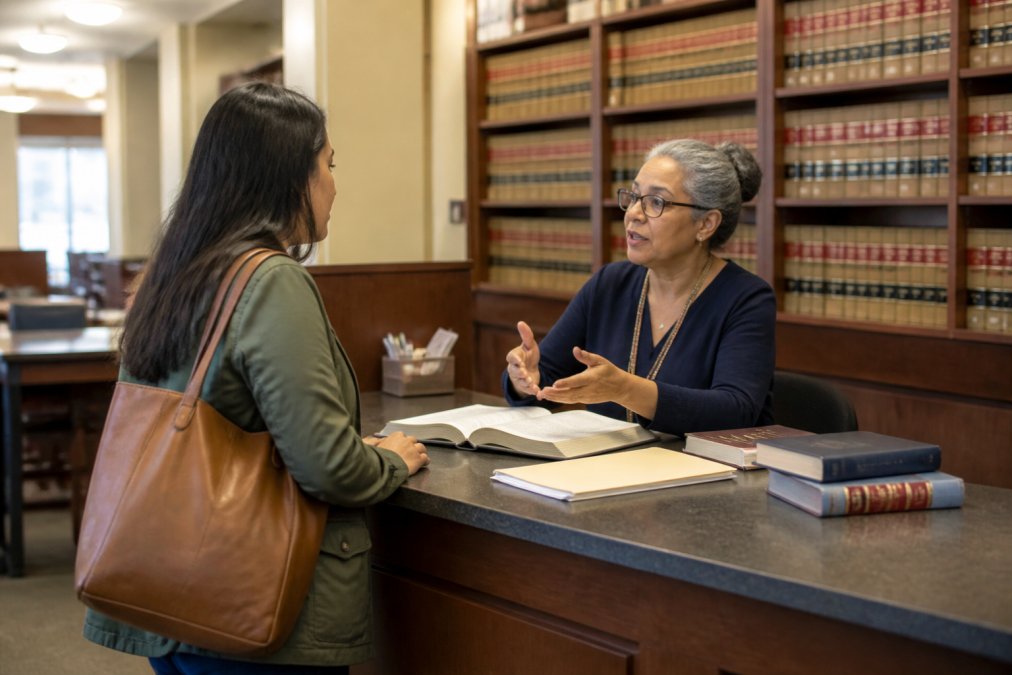
Most state and county courthouses operate a self-help center staffed by legal professionals who can assist self-represented litigants with court forms, procedural questions, and filing requirements. Self-help center staff cannot give legal advice, but they can explain what forms you need, how to complete them correctly, and where to file them.
Public law libraries are available in most counties. Law librarians are trained to help you find statutes, case law, and procedural rules relevant to your jurisdiction. Many law libraries also provide free access to legal research databases that would otherwise cost hundreds of dollars per month.
Preparing for a Legal Consultation or Court Appearance
Preparation is the single biggest factor in whether a legal consultation or court appearance goes well. Use this checklist before any legal meeting or court date:
- Gather all relevant documents: summons, complaint, any prior correspondence from the creditor or court
- Write a clear, chronological timeline of events related to your case
- List every question you want answered, in priority order
- Know your court date, case number, and the name of the opposing party
- Understand the relief being sought against you
- Research the court's local rules for self-represented litigants
- Confirm filing deadlines and the location of the correct courthouse
For debt collection cases specifically, knowing your state's garnishment exemptions before your consultation gives any attorney or self-help advisor a concrete starting point.
Alternative Dispute Resolution: Mediation Before Litigation
Mediation is a form of alternative dispute resolution where a neutral third party helps both sides reach a voluntary agreement without going to court. For civil disputes including debt collection, mediation is often faster, less expensive, and less adversarial than litigation.
Many courts now require or strongly encourage mediation before a case proceeds to trial. Some jurisdictions offer free or low-cost court-connected mediation programs specifically for consumer debt cases. Ask the court clerk or self-help center whether a mediation program is available in your case.
The practical advantage of mediation in debt cases: creditors often prefer a negotiated settlement to the time and cost of litigation. A mediated agreement can result in a reduced payoff amount, a payment plan, or a waiver of certain fees.
Vetting Legal Aid Quality: How to Avoid Bad Advice
Not all legal help is equal. Here is how to vet any legal resource or provider:
Verify attorney credentials. Every licensed attorney in the U.S. can be verified through their state bar association's public directory. If someone is providing legal guidance without a bar number, treat that advice as general information only.
Check for disciplinary history. State bar websites list public disciplinary actions against attorneys. A pattern of complaints in areas relevant to your case warrants caution.
Confirm the information applies to your state. Civil procedure, garnishment exemptions, and consumer protection laws vary significantly by state. Always confirm that any resource you rely on addresses your specific state's rules.
Look for recent updates. Laws change. Any legal guide or resource should indicate when it was last reviewed. For debt collection and wage garnishment specifically, state legislatures have been active in recent years.
Distinguish brief advice from full representation. A 15-minute consultation, an online Q&A answer, or an educational guide gives you information. It does not create an attorney-client relationship and does not substitute for representation in a proceeding with legal deadlines.
If one legal aid organization cannot take your case due to capacity or issue type, ask for a referral. Legal aid organizations maintain networks and can often point you toward other resources even when they cannot help directly.
Quick Reference: Affordable Legal Aid Resources by Situation
| Situation | Best Starting Resource | Cost |
|---|---|---|
| Income at or below 125% federal poverty guidelines | LSC-funded legal aid office | Free |
| Need state-specific court forms and guides | LawHelp.org state portal | Free |
| Quick civil legal question, low income | ABA Free Legal Answers | Free |
| Need attorney referral, any income | State bar referral service | Low or free consult |
| Moderate income, need limited help | Unbundled legal services attorney | Reduced fee |
| Employer benefits available | Prepaid legal plan | Covered by plan |
| Debt dispute before court date | Court-connected mediation | Free or low cost |
| Self-representing in court | Courthouse self-help center | Free |
Facing a debt collection lawsuit or wage garnishment without legal guidance is one of the fastest ways to end up with a default judgment that limits your financial options for years. WageHelpCenter's educational guides on debt collection lawsuits, wage garnishment, and default judgments are designed to help you understand your rights and options clearly, so you can make informed decisions and find the right professional help before deadlines pass. Start with the resources in this guide, prepare thoroughly for any legal consultation, and act before the clock runs out.
Frequently Asked Questions
How can I get free legal advice in the United States?
Several paths lead to free legal advice. Legal Services Corporation-funded offices provide free civil legal help to those who meet income thresholds. The ABA Free Legal Answers program lets eligible users submit civil legal questions online and receive responses from volunteer attorneys at no cost. LawHelp.org connects you to nonprofit legal aid organizations in every state. Many local bar associations also run legal clinics offering brief advice sessions. Start by searching your state's legal aid directory to find the program closest to you.
Do I qualify for legal aid based on my income?
Most LSC-funded legal aid organizations serve individuals and families with incomes at or below 125% of the federal poverty guidelines, though thresholds vary by organization and state. Some programs extend services to households up to 200% of the poverty level. Beyond income, eligibility can depend on the type of civil legal issue, your household size, and whether you live in the program's service area. Contact your local legal aid office directly to confirm eligibility, and have recent pay stubs or benefit statements ready for income verification.
What is the difference between legal aid and pro bono services?
Legal aid refers to free or low-cost legal services provided by nonprofit organizations, often funded through government grants from the Legal Services Corporation. These organizations employ staff attorneys who handle cases for eligible clients. Pro bono services, by contrast, are free legal services that private attorneys volunteer to provide, typically through bar association programs or organizations like ABA Free Legal Answers. Both serve low-income individuals, but pro bono help is often limited to brief advice or specific case types rather than full legal representation.
What should I do if I earn too much for free legal aid but can't afford a private attorney?
This is called the moderate-income gap, and it affects many working adults. Options include attorneys who offer sliding scale fees based on your income, unbundled or limited scope representation where an attorney handles only specific parts of your case, and prepaid legal insurance plans available through some employers or associations. Legal clinics at law schools and court self-help centers also provide guidance for people representing themselves. Mediation is another lower-cost alternative for civil disputes that avoids full courtroom litigation.
Are pro bono lawyers available for debt collection and wage garnishment cases?
Yes, though availability depends on your state and income. Many legal aid societies and bar association referral programs include debt and consumer law as covered civil legal issues. If you are facing a debt collection lawsuit or wage garnishment, acting quickly matters because missing a court deadline can result in a default judgment against you. Use LawHelp.org or your state bar's referral service to find attorneys experienced in consumer debt cases. Court self-help centers can also assist with understanding court forms and filing deadlines if you plan to respond without representation.
This article was written using GrandRanker