 how-to
How to Avoid Default Judgment: A Step-by-Step Guide
Table of Contents
- What Is a Default Judgment and Why It Matters
- Understand the Consequences of a Civil Default Judgment
- Recognize Your Timeline: Deadlines to Respond
- How to File an Answer to a Complaint
- Motion to Set Aside Default Judgment: Your Second Chance
- Self-Representation vs. Hiring an Attorney
- Gather Evidence and Build Your Defense
- Act Promptly to Protect Your Rights
Last Updated: August 14, 2026
What Is a Default Judgment and Why It Matters
A default judgment is a court order entered against you when you fail to respond to a lawsuit within the required timeframe. The court decides the case in the plaintiff's favor without hearing your side. Once entered, the creditor gains the legal right to garnish your wages, seize bank accounts, place liens on property, and pursue other collection remedies. The judgment can remain on your record for years, damaging your credit and making it harder to secure loans, housing, or employment.
The good news: default judgments can be challenged through specific procedures. But timing is everything, missing deadlines can lock you out of your defenses permanently.
Understand the Consequences of a Civil Default Judgment
A civil default judgment fundamentally changes your legal position and creates powerful tools creditors can use against you.
Wage garnishment is the most immediate threat. Once a default judgment is in place, a creditor can garnish up to 25% of your disposable income, pulling money directly from your paycheck. Your employer is legally required to comply and can charge you a processing fee.
Bank account levies allow creditors to freeze and seize funds in your accounts without permission. If you have direct deposit set up, this can happen quickly and leave you unable to pay rent or other essentials.
Property liens attach a claim to real estate or vehicles you own. If you sell the property, the creditor gets paid from the proceeds. Liens also complicate or prevent refinancing and loans.
Credit damage is severe and long-lasting. A judgment typically stays on your credit report for seven years, significantly lowering your credit score and affecting your ability to qualify for mortgages, car loans, credit cards, and sometimes rental housing or employment.
Statute of limitations varies by state, but judgment creditors can typically collect for 10-20 years. A judgment entered today could haunt you for decades. Acting quickly to respond regains control of the situation.
Recognize Your Timeline: Deadlines to Respond
Time is your most critical resource. Miss the deadline, and you lose the right to defend yourself in court. The deadlines are strict, and courts rarely grant extensions.
Service of process is the official notification that a lawsuit has been filed against you. You might receive a summons and complaint in person, by mail, or through other approved methods. The moment you receive these documents, your clock starts ticking.
Most states give you 20 to 30 days to file a response after being served. The specific deadline is written in the summons. Read it carefully, this is not a suggestion.
What "respond" means is filing a document with the court. You can file an Answer (admitting or denying the allegations), a Motion to Dismiss (arguing the case shouldn't proceed), or a Motion to Stay (asking the court to pause the case). Simply calling the creditor or their attorney doesn't count. You must file something with the court clerk.
If you miss the deadline, the plaintiff can request a default judgment. The court will enter judgment against you without a hearing. You won't get to tell your side of the story.
If you've already missed the deadline, don't panic. You may still have options through a motion to set aside the default judgment. But acting immediately is critical, courts are more sympathetic to requests filed recently.
Track your deadline carefully. Write it down. Set phone reminders. Tell someone you trust about it. This single date could determine whether you can defend yourself.
How to File an Answer to a Complaint
Filing an Answer is your primary defense against a default judgment. An Answer is a formal document that responds to each allegation in the complaint.
What to include in your Answer:
Your Answer must address each allegation in the complaint. For each claim, you can admit it, deny it, or say you don't have enough information to admit or deny it. Be honest and strategic.
Include affirmative defenses, legal reasons why the creditor shouldn't win, even if some allegations are true. Common affirmative defenses in debt collection cases include:
- Statute of limitations expired. If the debt is older than your state's time limit (typically 3-6 years), the creditor can't sue.
- Improper service. If you weren't properly served, the court lacks jurisdiction.
- Debt already paid. If you paid the debt before the lawsuit, you have a defense.
- Creditor lacks standing. If the creditor can't prove they own the debt, they can't collect it.
- Violation of the Fair Debt Collection Practices Act (FDCPA). If the creditor used illegal collection tactics, you may have a counterclaim.
List your defenses clearly. Don't assume the court will figure them out, you must state them explicitly or you may lose them forever.
Filing and service requirements:
Your Answer must be filed with the court clerk before the deadline. Many courts now require electronic filing through their online system. Check your local court's website for instructions.
You must also serve a copy on the plaintiff's attorney or the plaintiff if they're representing themselves. Keep proof of service and file it with the court.

Filing an Answer stops the default judgment clock. Once you file, the case moves forward to the next stage. The creditor can't get a default judgment against you. You've preserved your right to defend yourself.
Motion to Set Aside Default Judgment: Your Second Chance
If you've already missed the deadline and a default judgment has been entered, a motion to set aside default judgment asks the court to cancel the judgment and give you a chance to defend yourself. Courts recognize that default judgments can be harsh and are willing to set them aside under certain circumstances.
Good cause and meritorious defense requirements:
Courts use a two-part test. You must show both good cause for missing the deadline and a meritorious defense to the underlying claim.
Good cause means you had a legitimate reason for not responding on time. Examples include serious illness, death in the family, mistaken belief that the lawsuit was dismissed, improper service, or excusable neglect. Courts prefer to decide cases on the merits rather than on procedural defaults.
Meritorious defense means you have a real legal defense to the creditor's claim. You don't have to prove you'll win, just that you have a defense worth hearing. This might be the debt was already paid, the statute of limitations expired, the creditor doesn't own the debt, the amount is wrong, or the creditor violated the FDCPA.
Filing a motion with the court:
Your motion to set aside default judgment is a formal document filed with the court. Include the case name and number, a clear statement of what you're asking for, the facts explaining why you missed the deadline, your good cause explanation, a summary of your meritorious defense, legal citations, your signature, and the date.
Attach an affidavit, a sworn statement explaining your side of the story. Be honest and detailed.
File the motion with the court clerk and serve a copy on the creditor's attorney as soon as possible after the judgment is entered. Courts are more sympathetic to motions filed within 30 days of the judgment.
Self-Representation vs. Hiring an Attorney
You face a critical decision: handle this yourself or hire a lawyer.
Self-representation (pro se) saves money, you pay only court filing fees, typically under $300. However, civil procedure rules are complex, and courts expect pro se litigants to follow the same rules as attorneys. A single procedural mistake can cost you your case.
Debt collection cases are relatively straightforward compared to other civil litigation, making self-representation more feasible. Many people successfully file Answers and defend themselves without an attorney. However, if the case involves complex issues, disputes about whether you owe the debt, whether the creditor has the legal right to collect, or whether the statute of limitations has expired, an attorney's expertise becomes more valuable.
Hiring an attorney gives you professional representation. An attorney knows local court rules, can spot legal defenses you might miss, and can negotiate with the creditor's lawyer. Many attorneys offer free initial consultations.
WageHelpCenter can help you locate an affordable attorney. Many lawyers offer payment plans or reduced fees for people in financial distress. Some legal aid organizations provide free representation to low-income individuals.
Making the decision: If you're comfortable with detail-oriented work, can meet strict deadlines, and understand your legal defenses, self-representation is possible. If you're overwhelmed or facing a large judgment, an attorney's guidance is worth the cost.
Gather Evidence and Build Your Defense
Your defense is only as strong as the evidence supporting it. Gathering documentation now gives you a clear picture of your case and strengthens your position.
Start by collecting everything related to the debt: original credit agreements, billing statements, payment records, and correspondence with the creditor. Organize canceled checks, bank statements showing payments, or credit card statements by date.
Look for evidence of improper service. Did you actually receive the summons and complaint? How were they delivered? Document any questions about service.
Research the creditor's standing. Does the creditor actually own the debt, or did they buy it from another company? Debt is often sold multiple times. Request documentation showing they have the legal right to collect.
Check for FDCPA violations. Did the creditor call repeatedly, call before 8 a.m. or after 9 p.m., contact you at work, use threats or harassment, or fail to provide required disclosures? Document every violation.
Verify the statute of limitations. When did the debt originate? When was the last payment or acknowledgment? Most states have a 3-6 year statute of limitations for contract debts. Research your state's specific rules.
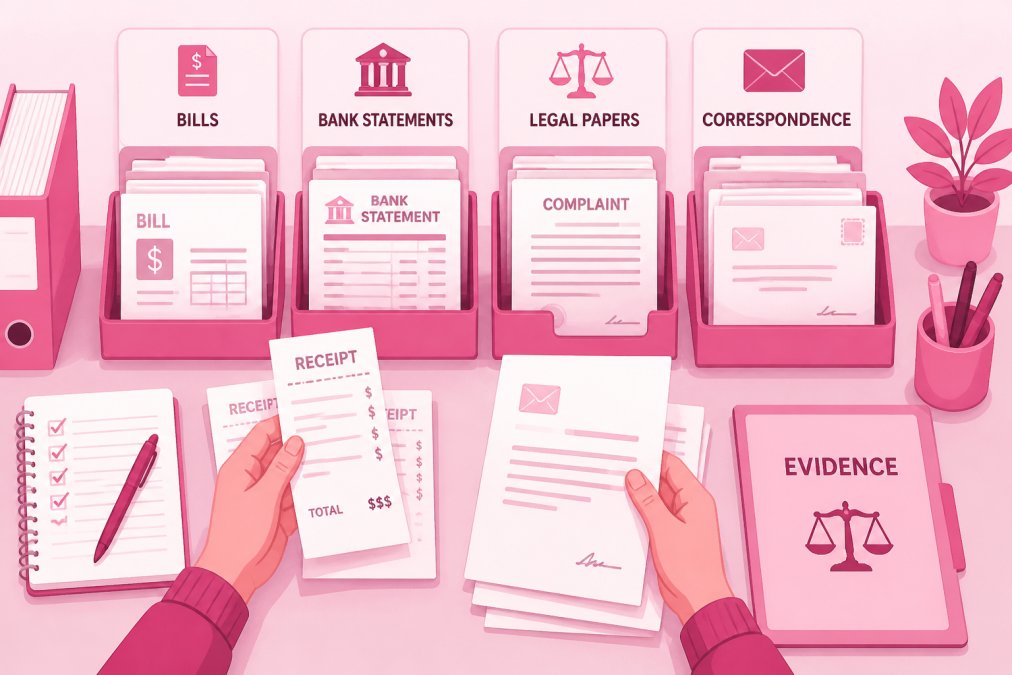
Create a timeline of events. When did you first receive the debt notice? When were you served? When did you miss the deadline? A clear timeline helps you explain your situation to a judge or attorney.
Keep all original documents. Courts want to see originals or certified copies. Store them safely in a folder, binder, or digitally scanned and backed up.
Act Promptly to Protect Your Rights
The most important action you can take is to act immediately. Delay is your enemy in a default judgment situation.
If you've been served with a lawsuit, treat the summons and complaint as urgent. Don't set it aside thinking you'll handle it later. The clock is running.
Read the summons carefully. Identify the exact deadline for your response. Mark it on your calendar. Set phone reminders.
If you're unsure whether you've been properly served or don't understand the documents, contact a local attorney for a brief consultation. Many offer free initial calls.
If you've already missed the deadline and a default judgment has been entered, act within days, not weeks. File a motion to set aside the judgment as soon as possible.
Don't contact the creditor or their attorney without knowing your rights. Anything you say can be used against you.
Consider reaching out to WageHelpCenter or a legal aid organization for guidance. You don't have to navigate this alone.
The consequences of inaction are severe: wage garnishment, bank levies, damaged credit, and years of collection efforts. The effort you invest now in responding to the lawsuit is minimal compared to the cost of allowing a default judgment to stand.
Your future financial stability depends on how you respond in the next few days or weeks. Act promptly, stay organized, and don't give up. You have options, and you have time, if you use it wisely.
Facing a default judgment feels overwhelming, but you have more control than you might think. The key is understanding your rights, meeting critical deadlines, and taking action before it's too late. WageHelpCenter provides comprehensive educational resources to help you navigate debt collection lawsuits, understand your legal options, and connect with affordable attorneys who can guide your specific situation. Whether you're responding to your first summons or challenging an existing judgment, our guides and attorney referral network are designed to help you with the information and support you need. Don't wait, contact WageHelpCenter today to learn how to protect your wages and your financial future.
Frequently Asked Questions
What is the deadline to respond to a civil summons?
In most jurisdictions, you have 20-30 days from the date you are served with a summons and complaint to file an answer. This timeline is critical, missing it results in a default judgment against you. Check your local court rules or the complaint itself for the exact deadline in your case. If you're unsure, contact your local court clerk or consult an attorney immediately. Acting within this window is your strongest defense against default.
How bad is a default judgment on your credit report?
A default judgment significantly damages your credit score and remains on your credit report for seven years. Creditors can use it to pursue wage garnishment, bank account levies, and property liens. Beyond credit impact, a judgment makes it harder to obtain loans, rent housing, or secure employment. The financial consequences extend far beyond the original debt amount, making prompt action to avoid or vacate a judgment essential to protecting your long-term financial health.
Can you file a motion to set aside default judgment if you missed the deadline?
Yes. If you've already missed the response deadline and a default judgment was entered, you can file a motion to set aside the judgment. You must demonstrate good cause (such as excusable neglect) and show you have a meritorious defense to the underlying claim. The sooner you file this motion, the better your chances. Courts are more likely to grant relief if you act quickly after discovering the judgment, so don't delay even if you've already missed the initial deadline.
What happens if you ignore a court summons?
Ignoring a court summons leads to a default judgment entered against you without your input. Once a default judgment is entered, the creditor can pursue aggressive collection methods including wage garnishment, bank levies, and liens on property. You lose your opportunity to present a defense or negotiate a settlement. The judgment remains on your record for years, affecting your credit, employability, and financial opportunities. Acting immediately upon receiving a summons is your only way to protect yourself from these serious consequences.
This article was written using GrandRanker