 ultimate-guide
Effects of a Default Judgment on Your Credit Score
Table of Contents
- Does a Default Judgment Appear on Your Credit Report?
- Direct vs. Indirect Effects on Your Credit Score
- How a Judgment Affects Loan Approval and Manual Underwriting
- Judgment vs. Collection Account: What's the Difference?
- How to Respond to a Debt Summons Before a Default Judgment
- How to Vacate a Default Judgment and Remove It From Your Credit Report
- Statute of Limitations on Debt Judgments: State Variations and Enforcement
- Frequently Asked Questions
Last Updated: September 27, 2026
Does a Default Judgment Appear on Your Credit Report?
A default judgment is a court ruling entered against you when you fail to respond to a debt collection lawsuit. The critical distinction most consumers miss: the judgment itself typically does not appear on your credit report today, but the underlying debt and its consequences still damage your ability to borrow.
This guide from WageHelpCenter explains what a default judgment does to your credit file, how it affects loan approval even when your score stays flat, and the steps you can take before or after a judgment is entered. We help you locate an affordable attorney and get help before you get a judgement and a garnishment. Don't wait until it is too late!
Here's what changed. The three major credit bureaus revised how they treat civil judgments and other public record data. Most judgments no longer populate a standard credit report, which is why you may see a clean file and still get denied for a mortgage. The debt collection tradeline that led to the lawsuit remains, and that account carries its own weight.
The Public Record Nuance Most Guides Miss
Public records are court filings that document legal actions, including civil judgments. For years, these records sat on credit reports and dragged scores down directly.
That era has largely ended. The credit reporting agencies now require a higher standard of matching (name, address, and other identifiers) before a public record can be reported, and most civil judgment data has been dropped from consumer files as a result. The Consumer Financial Protection Bureau's guidance on credit reporting outlines how consumers can dispute inaccurate information, including outdated public records.
So the judgment may not show up. The problem is everything around it.
Direct vs. Indirect Effects on Your Credit Score
The direct effect on your FICO score from a judgment is often minimal or nonexistent today, because the judgment is no longer a scored item on most reports. The indirect effects are where the real damage happens.
Those indirect effects include:
- The original debt collection account, which remains on your report for seven years from the date of first delinquency
- Missed payments and payment history damage that preceded the lawsuit
- A growing outstanding balance as interest and court costs accumulate
- New legal action that can appear in a background check or title search
The score itself may not move when the judgment is entered. The risk profile a lender sees does.
How a Judgment Affects Loan Approval and Manual Underwriting
A judgment influences loan approval most heavily during manual underwriting, when a human reviewer examines your full financial picture rather than relying on an automated score. Automated systems may approve you. A person reading your file will see the litigation and ask harder questions.
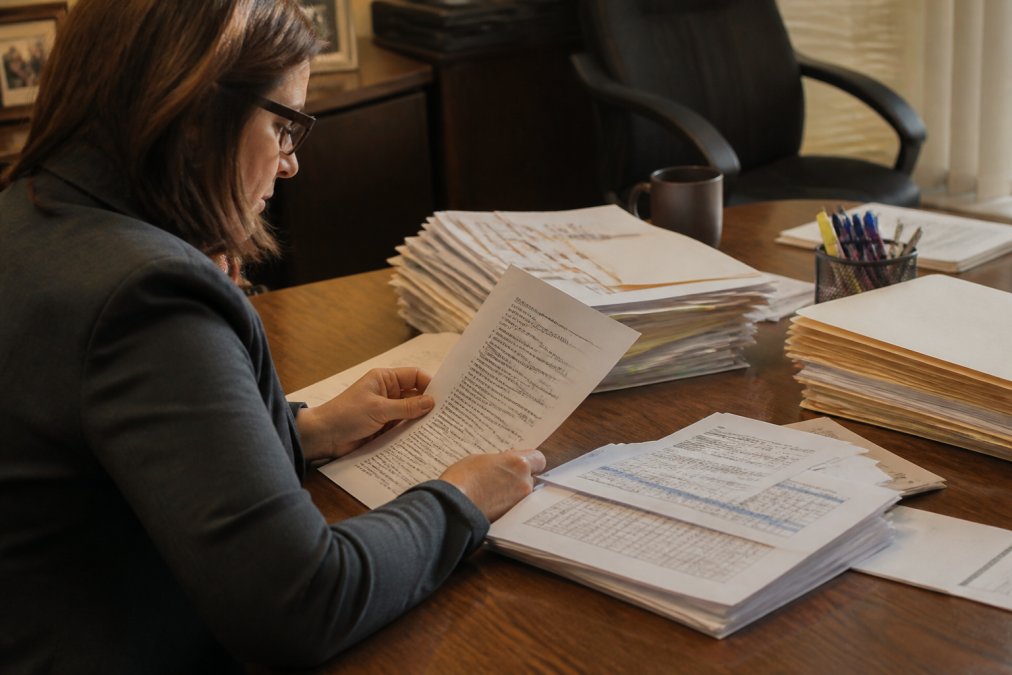
Where the judgment creates a real estate lien, the property itself becomes collateral for the debt. That lien can block a refinance or a sale until it is resolved. A bank levy or wage garnishment can also reduce the income a lender counts toward your loan approval calculation.
Judgment vs. Collection Account: What's the Difference?
A collection account is the debt itself, reported by a collector after your original creditor sells or assigns it. A judgment is the court's confirmation that the debt is legally owed after litigation. Both of these negative marks significantly diminish your standing, making it essential to understand what constitutes good credit before you attempt to rebuild your financial reputation.
| Feature | Collection Account | Default Judgment |
|---|---|---|
| Appears on credit report | Usually yes | Often no longer reported |
| Reported by | Debt collector | Court (public record) |
| Duration | 7 years from first delinquency | Varies by state; enforceable for years |
| Enforcement power | Calls, letters, credit damage | Garnishment, lien, bank levy |
| Dispute route | Credit bureau dispute | Motion to vacate in court |
The collection account damages your score. The judgment gives the collector legal tools to collect beyond your credit file.
How to Respond to a Debt Summons Before a Default Judgment
The single most important step is to respond to the court summons before the deadline printed on it. A default judgment is entered precisely because no response was filed.
Your options typically include:
- Filing a written answer that admits or denies the debt
- Raising defenses such as the statute of limitations, identity theft, or payment
- Requesting debt settlement with the collector before trial
- Seeking consumer protection guidance if the collector violated collection rules
A common mistake is assuming the lawsuit will go away if you simply do not engage. It will not. The court will enter a default judgment and the collector gains enforcement powers it did not have before.
How to Vacate a Default Judgment and Remove It From Your Credit Report
To vacate a default judgment, you file a motion with the same court that entered it, asking the judge to set the judgment aside. This is the only path that truly clears the record, paying the debt satisfies the collector but leaves the judgment itself intact, and a satisfied judgment can still block a mortgage or show up in a title search.
The motion is governed by your state's rules of civil procedure, and the grounds fall into a few common buckets:
- Improper service. If the collector did not serve you correctly, wrong address, no personal service, service on someone who was not authorized to accept it, the court may lack jurisdiction over you, and the judgment can be voided on that basis alone.
- Lack of notice. If you never received the summons and complaint, that is a due process problem the court takes seriously.
- Meritorious defense. You had a valid defense you did not get to raise, the debt was already paid, the statute of limitations had run, the amount was wrong, or the debt was not yours.
- Mistake, inadvertence, or excusable neglect. Many states allow a motion within a set window, often one year from entry of judgment, if you can show a legitimate reason you missed the deadline.
- Void judgment. Some states allow a motion at any time if the judgment is void on its face.
The timeline matters more than most people realize.
A practical sequence many consumers follow: pull the court file to confirm what was filed and how service was documented, check your state's deadline for the ground you plan to raise, file the motion with a supporting affidavit, and calendar the hearing date. If the motion is granted, order a fresh copy of your credit reports and dispute any tradeline that still references the judgment.
Statute of Limitations on Debt Judgments: State Variations and Enforcement
The statute of limitations on debt judgments varies by state, and so does the length of time a judgment remains enforceable. Some states allow a judgment to be renewed repeatedly; others cap enforcement at a fixed period.
Frequently Asked Questions
Does a default judgment automatically lower your credit score?
Not necessarily. Under current credit reporting rules, civil judgments no longer appear on your credit report unless they create a lien or are tied to a collection account. However, the underlying unpaid debt and any collection activity can still hurt your score. The bigger risk is practical: lenders see the judgment in public records during underwriting and may deny your loan application even if your score looks acceptable.
How long does a default judgment stay on your credit report?
If a judgment appears on your credit report, it can remain for seven years from the date it was filed, similar to other adverse items. However, judgments can be enforced for much longer. In many states, a judgment is valid for 10 to 20 years and can be renewed. Check your state's rules because the enforcement period varies, and a renewed judgment can follow you for decades.
What is the difference between a judgment and a collection account on your credit report?
A collection account appears when your original creditor sells or assigns your debt to a collection agency. It shows as a tradeline on your credit report and directly affects your score. A judgment is a court order confirming you owe the debt. It is a public record, not a tradeline. While the collection account impacts your FICO score, the judgment impacts your ability to qualify for loans through underwriting.
Can you remove a default judgment from your credit report?
You can remove a judgment from your credit report if you successfully vacate it through the court. Vacating means the judgment is legally cancelled, often because you were not properly served or the plaintiff failed to follow procedure. Once vacated, you can dispute the entry with the credit bureaus and provide proof of the vacatur. Consult a consumer protection attorney to assess your grounds for vacating.
A default judgment may not lower your score directly, but it raises your lending risk in ways a credit report alone cannot show. WageHelpCenter provides educational guides on debt collection lawsuits, wage garnishment, and default judgments so you can understand your options before a garnishment order arrives. Get started with WageHelpCenter to review your situation and find clarity on the legal process ahead.