 Ultimate guide
Debt Validation Letter Requirements: A Complete Guide
Last Updated: October 31, 2026
Quick Summary
Debt validation is the FDCPA process that lets you demand proof of a debt before a collector continues collection activity. You have 30 days from the collector's initial communication to send a written dispute, and the collector must stop collection until it mails verification. Send your request by certified mail and keep proof of the postmark.
- A validation notice must state the amount, the current creditor, and your 30-day dispute right.
- Writing the request takes about 20 minutes and should stay short and factual.
- Ask specifically for proof of debt, an itemized balance, account history, and chain of ownership.
- Validation does not erase the debt, stop a lawsuit, or remove an accurate credit report item.
- A phone call is not a written dispute and does not trigger the same protections.
Table of Contents
- What a Debt Validation Letter Actually Is
- What Information a Debt Validation Notice Must Include
- Your Debt Validation Request Deadline and the 30-Day Window
- How to Write a Debt Validation Request: Step-by-Step
- A Debt Validation Letter Template You Can Adapt
- A Debt Validation Letter Example and What to Request
- What Happens After Disputing a Debt
- Sending Your Request and Keeping Proof
- Frequently Asked Questions
What a Debt Validation Letter Actually Is
A debt validation letter is a written request you send to a debt collector asking it to prove you owe the debt it claims. The collector may be required to respond with documentation.
Here's what most guides get wrong: they blur two different documents into one. The collector sends a validation notice. You send a validation request. Confusing them leads people to miss deadlines they didn't know existed.
Debt validation is the legal process, grounded in the Fair Debt Collection Practices Act, that lets a consumer demand proof of a debt before a collector continues collection activity. The Consumer Financial Protection Bureau's guidance on debt collection explains the underlying protections.
The Collector's Validation Notice vs. Your Validation Request
The validation notice comes from the collector. It arrives as part of the initial communication or within five days after it, and it tells you the amount, the creditor, and your right to dispute.
Your validation request comes from you. It is a written dispute demanding proof. Same word, opposite direction. The notice creates your window; the request uses it.
What Information a Debt Validation Notice Must Include
A validation notice must contain specific disclosures under the FDCPA. If it doesn't, the notice itself may be defective, and that is worth documenting.
The FDCPA text via the Legal Information Institute sets out the required content. A compliant validation notice should include:
- The amount of the debt
- The name of the current creditor
- A statement that you have 30 days to dispute the debt in writing
What most guides miss is the practical test: read the notice against this list before you write anything. A missing disclosure is evidence.
Your Debt Validation Request Deadline and the 30-Day Window
The debt validation request deadline is the anchor of this entire process. Under the Fair Debt Collection Practices Act, you have 30 days from the collector's initial communication to send a written dispute (What information does a debt collector have to give me about a debt they’re trying to...). Miss it and the collector may assume the debt is valid.
How to Calculate Day One and the Deadline
The 30-day period is generally measured from the collector's initial communication with you, which is usually the validation notice itself. Check the notice and the applicable federal rules for how the start date is measured. A few scenarios worth knowing:
| Scenario | When the 30-day clock starts | Practical deadline |
|---|---|---|
| Validation notice mailed and received | Day you receive it | 30 calendar days later |
| Notice arrives with a summons | Treat the lawsuit deadline as urgent, separately | Court-set deadline, not FDCPA |
| You dispute on day 29 | Still timely if postmarked or sent that day | Keep the postmark |
| You dispute after 30 days | Collector may continue, but must still stop on written dispute | No FDCPA pause, but written dispute still has effect |
| Notice arrives late or is defective | Document the date received and the missing disclosures | Send dispute immediately and note the defect |
What Happens If the Notice Arrives Late or Is Defective
If the validation notice arrives after the collector has already started collection activity, or if it omits required disclosures, the notice itself may be defective. Document the date you received it and compare it against the required-content list in the previous section. A missing disclosure is evidence, and a late notice can affect whether the collector's subsequent actions were lawful.
How a Written Dispute Affects Collection Activity
Once you dispute in writing within the 30-day period, the collector must stop collection activity until it mails verification. That pause is the point of the whole exercise. A phone call is not a written dispute, verbal complaints do not trigger the same protections, and there is no record. Put it in writing, every time, and send it by a method that creates a delivery record.
How to Write a Debt Validation Request: Step-by-Step
Writing the request takes about 20 minutes. The steps matter more than the prose.
- Identify the collector's exact legal name and mailing address from its notice.
- State clearly that you dispute the debt and request validation.
- Ask for the specific items listed in the next section.
- Keep it short and factual. Do not explain your finances.
- Date it and sign it.
- Send it by certified mail with return receipt requested.
- Keep a copy of the letter and the receipt.
If you want a fuller walkthrough of the mechanics, our guide on how to request a debt verification letter in 7 steps covers the delivery and follow-up details.
A Debt Validation Letter Template You Can Adapt
Here is a debt validation letter template you can copy and fill in. Keep the tone neutral. You are requesting proof, not arguing.
[Your Name] [Your Mailing Address] [Date]
[Collector's Name] [Collector's Mailing Address]
Re: Account Number [account number]
To Whom It May Concern:
I am writing to dispute the above-referenced debt and to request validation under the Fair Debt Collection Practices Act.
Send it certified. Keep the receipt with your copy.
A Debt Validation Letter Example and What to Request
A debt validation letter example is only useful if it tells you what to demand. Vague requests get vague answers.
Ask for these items specifically:
- Proof of debt: the underlying contract or signed agreement
- Itemized balance: principal, interest, fees, and costs broken out separately
- Account history: payment records and the date of last activity
The chain-of-ownership request is the one people skip. A collection agency that cannot show it owns the debt has a problem answering you.
What Happens After Disputing a Debt
Once you dispute in writing within the 30-day period, the collector must stop collection activity until it mails verification. That pause is the point of the whole exercise. What the collector sends back, and what you do with it, determines whether the dispute actually helped.
What a Compliant Verification Response Looks Like
The FDCPA requires the collector to obtain verification of the debt and mail a copy to you. A compliant response typically includes the name and address of the original creditor, the amount of the debt, and documentation showing the debt is yours. A bare restatement of the balance, without supporting records, is a common pattern that consumers successfully challenge. Compare what you receive against the items you requested in your letter.
If Verification Never Arrives
If the collector never verifies, it should not continue collecting. Document every communication and keep your file organized. Continued collection activity after a written dispute, without verification, is the kind of conduct that consumer law attorneys review for FDCPA claims. Do not ignore the account, monitor your credit reports and respond in writing to any new collection attempts.
What Validation Does Not Do
Validation does not erase the debt. It does not stop a lawsuit from being filed. It does not remove an accurate item from your credit report, and it does not revive a time-barred debt into something you must pay. It also does not guarantee the collector made a mistake, sometimes the verification comes back complete and correct. Knowing that up front keeps your expectations realistic.
Special Situations: Time-Barred Debts, Identity Theft, and Lawsuits
If the debt is time-barred, a validation request does not restart the statute of limitations, but a partial payment or written acknowledgment can. If you believe the debt is the result of identity theft or mistaken identity, request validation and also file an identity theft report with the Federal Trade Commission. For the wider picture of your protections, see our guide to understanding debt collection laws and your rights.
If the dispute escalates into a lawsuit, or you are already facing one, our guides on debt collection lawsuits and wage garnishment explain what happens if a case is ignored and what your options are. Readers handling continued collection pressure often want a practical step-by-step survival plan for the weeks after a dispute. And if a collector sues despite your dispute, there is guidance on how to verify the debt collection lawsuit itself.
Sending Your Request and Keeping Proof
Delivery method decides whether your dispute counts. Send by a method that creates a delivery record, such as certified mail with return receipt requested.
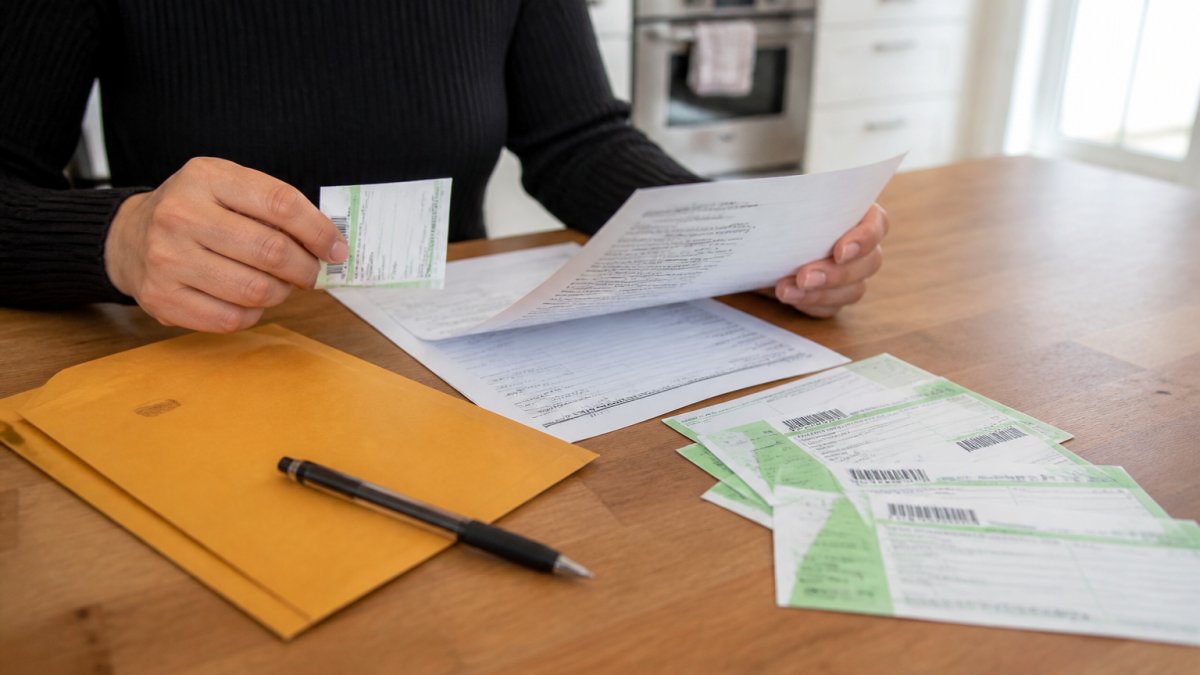
Build a simple file: the letter you sent, the certified mail receipt, the return receipt, and every collector response in order.
Watch out: a phone call is not a written dispute. Verbal complaints do not trigger the same protections, and there is no record.
Frequently Asked Questions
What information must a debt validation notice include?
Under the Fair Debt Collection Practices Act, a validation notice must state the amount of the debt, the name of the creditor to whom the debt is owed, and a statement that the consumer has 30 days to dispute the debt in writing or request verification. The notice must also state that if the consumer disputes in writing within 30 days, the collector will obtain verification and mail it, and that if the consumer requests the original creditor's name and address within that window, the collector will provide it.
How long do I have to dispute a debt after receiving a validation notice?
You have 30 days from the date the collector sends the validation notice to dispute the debt in writing. The clock runs from when the notice is sent, not from when you open it. If you miss the window, the collector can assume the debt is valid, but you can still dispute later. The 30-day deadline is the strongest protection because it forces the collector to pause collection activity until verification is mailed. Keep the envelope and note the postmark date so you can prove your timing.
Does disputing a debt stop collection calls?
A written dispute sent within the 30-day window requires the collector to cease collection activity until it obtains verification and mails it to you. That pause covers calls and letters tied to collection. Once verification is sent, collection can resume. Separately, you can send a written cease-contact request at any time, which stops most communications but does not stop a lawsuit. Document every call and letter so you can show a pattern if the collector ignores your dispute.
What is the difference between a debt validation notice and a debt verification letter?
A validation notice is what the collector sends you, usually within five days of first contact, setting out the amount, creditor, and your dispute rights. A debt verification letter is what you send the collector asking it to prove the debt. People often call the consumer's letter a validation letter too, which causes confusion. The notice comes from the collector; the request comes from you. Keep both documents, because each one starts a different clock and carries different legal weight.
What happens after I send a debt validation request?
The collector must stop collection activity until it mails verification. Verification typically includes the creditor's name, the amount owed, and supporting documents such as statements or a signed agreement. Once it arrives, review it carefully. If the response is incomplete, send a follow-up written dispute. If the debt is time-barred, note that in writing. If the collector sues anyway, you have a record of your dispute. Keep copies of everything you send and receive, and consider consulting an attorney if a lawsuit is filed.
Can a debt collector keep contacting me while a debt is being verified?
No. If you dispute in writing within 30 days of the validation notice, the collector must cease collection activity until it obtains verification and mails it to you. That means no calls or letters demanding payment during the pause. The collector may still send the verification itself and may file a lawsuit, since litigation is not collection activity under the FDCPA. If calls continue after a timely written dispute, document the dates and times and consider speaking with a consumer law attorney.
The deadline is the part people get wrong, and it is the part that costs them. WageHelpCenter exists to close that gap: our educational guides walk through debt collection lawsuits, wage garnishment, settlements, and default judgments so you understand your options before a judgment lands. If you are facing a collector right now, get the facts early. Get started with WageHelpCenter and know exactly what to send, when to send it, and what to keep.